From Volcanoes to Laurel Forests: Hiking Tenerife & La Gomera
There’s a moment on the trail when the heat lifts, the ground changes, and the landscape begins to breathe differently. In the Canaries, that shift can happen in the space of a single hike. Across Tenerife and La Gomera, we spent seven days walking between extremes, volcanic ridgelines and shaded forest paths, discovering islands best understood one step at a time.
What’s the Story, Where is Tenerife and La Gomera?
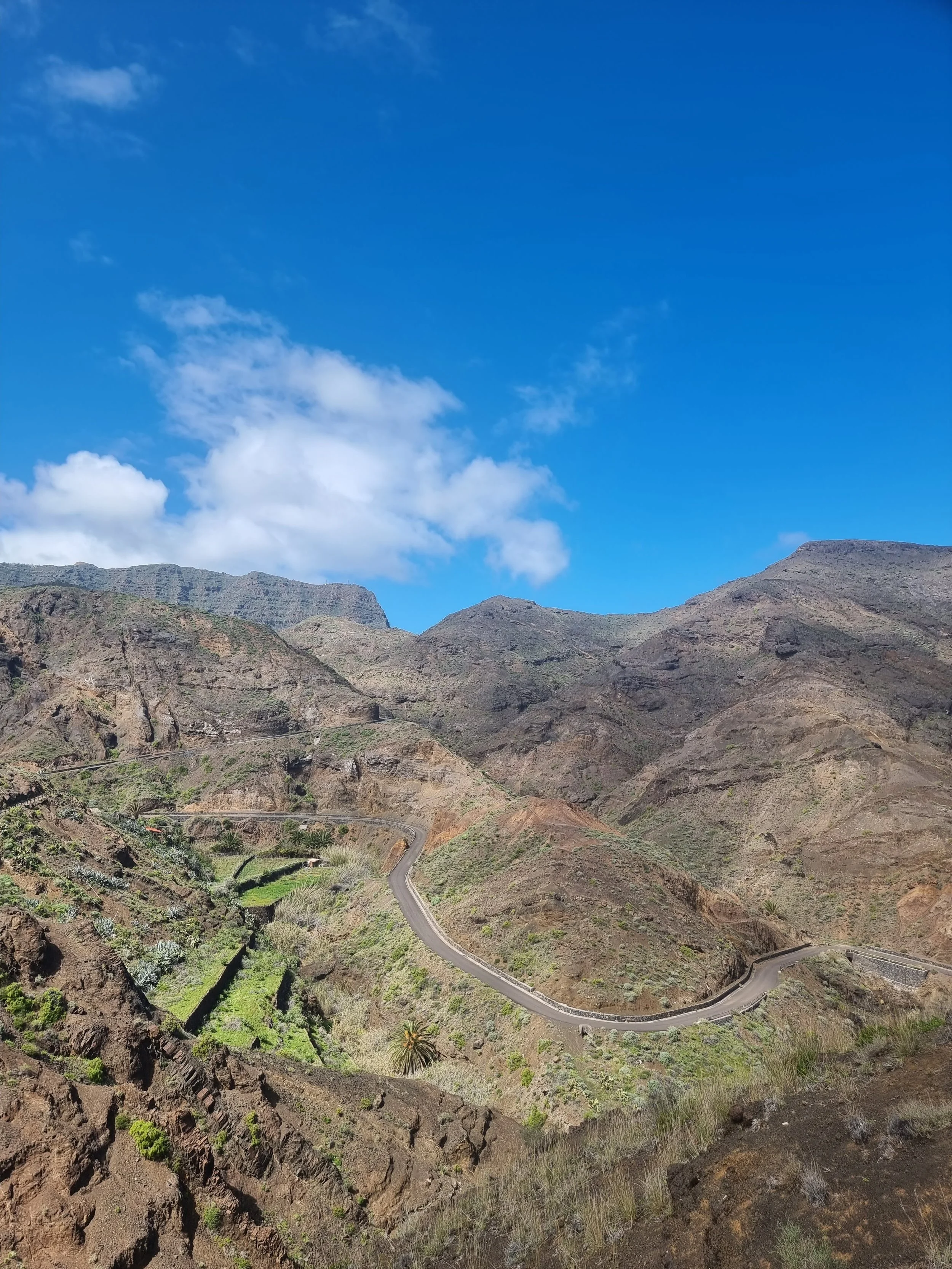
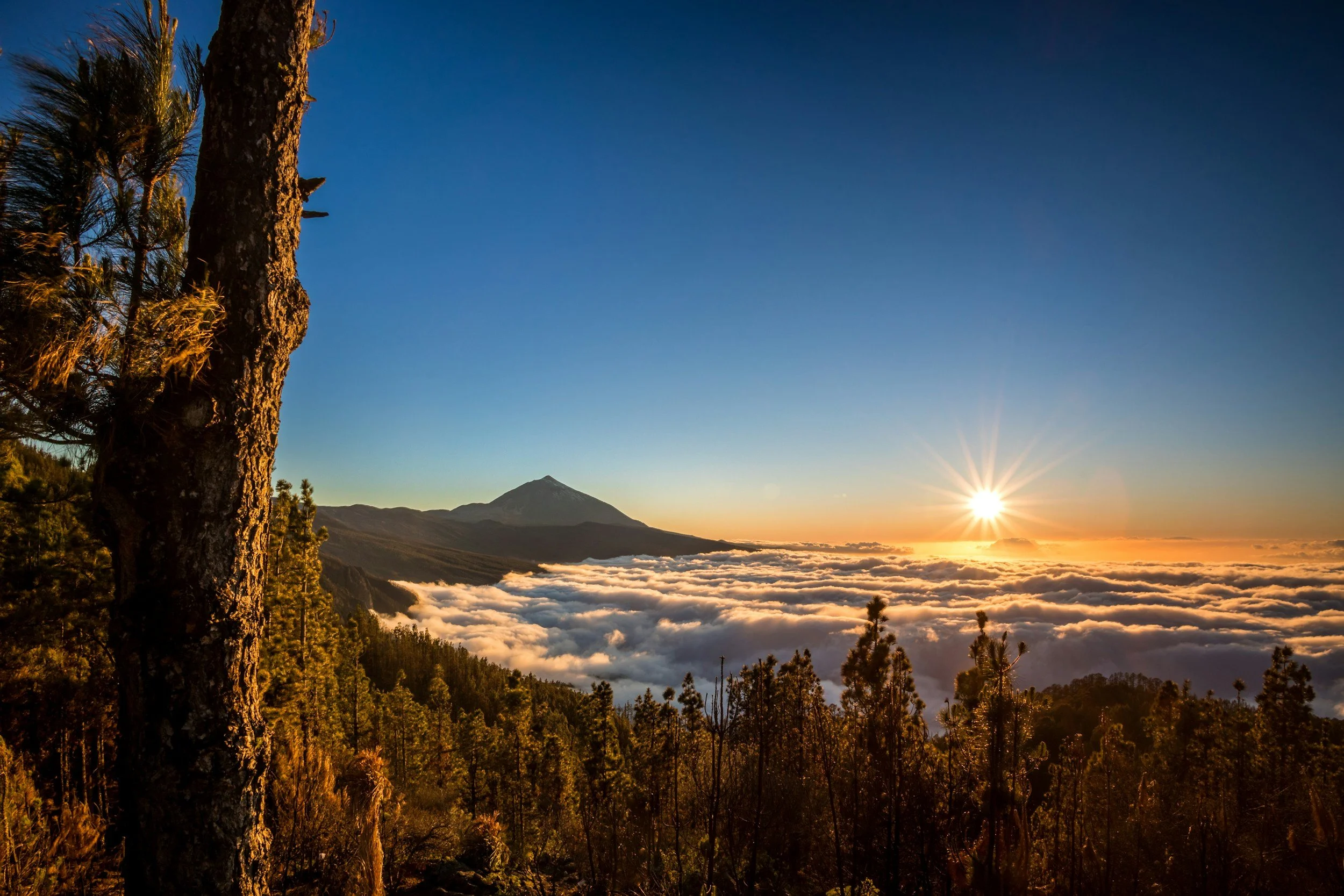
Tenerife is the largest of Spain’s Canary Islands, floating in the Atlantic Ocean off the northwest coast of Africa, closer to Morocco than mainland Spain, which still feels slightly surprising when you arrive. From the plane window, the island looks dramatic and rugged, with Mount Teide rising sharply from the centre like a constant point of reference. While Tenerife is often associated with beach holidays and big resorts, what struck us most was how quickly the landscape changes once you leave the coast. One moment you’re passing palm-lined roads, the next you’re climbing into pine forests, volcanic valleys, and quiet mountain villages that feel a world away from the crowds.
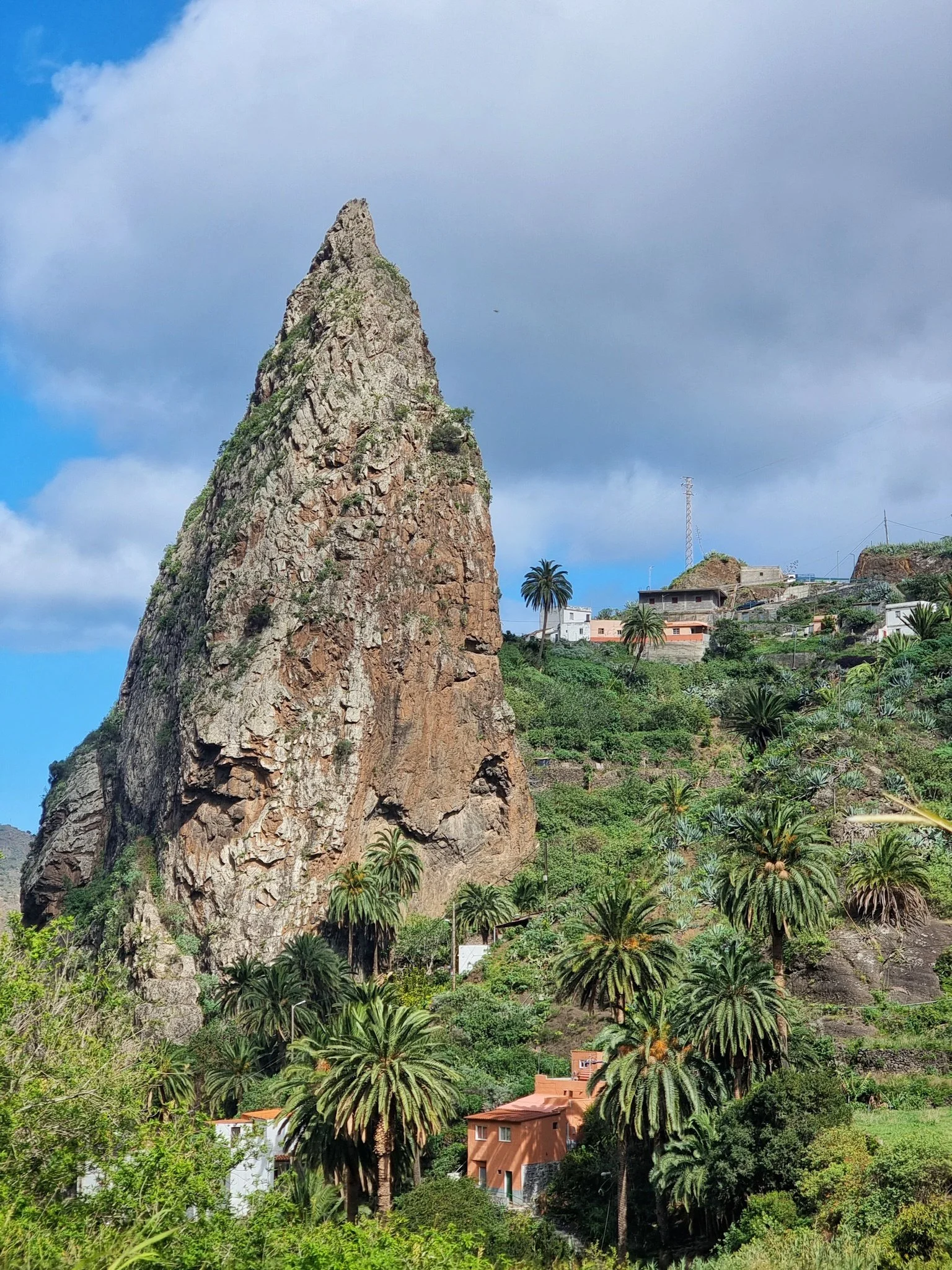
La Gomera sits just to the west of Tenerife and feels immediately different, calmer, greener, and more introspective. Reaching the island by ferry felt like a transition. Life slows down here. The island is smaller and deeply sculpted by ravines that run from the high central mountains down to the sea. Walking through Garajonay National Park, with its misty laurel forest and moss-covered trees, felt almost otherworldly, like stepping into a forgotten landscape. La Gomera has a quiet, timeless quality that invites you to tune in rather than rush through.
Together, Tenerife and La Gomera are part of the Canary Islands, a Spanish archipelago scattered across the Atlantic Ocean. What makes the Canaries so special is how much variety is packed into each island and how different they can feel from one another. Hiking across Tenerife and La Gomera gave us a deeper appreciation of this contrast: bold volcanic terrain and sweeping views on one island, soft forests and intimate paths on the other. Experiencing both side by side felt like the perfect introduction to the Canaries; diverse, dramatic, and best understood slowly, on foot.
Getting There
Getting to Tenerife is straightforward, with direct flights from many European cities landing you on the island in just a few hours. We arrived the day before our trip began, which gave us time to settle in and gently adjust to island life, a quiet evening, warm air, and the sense that the walking adventure was about to begin.
The journey to La Gomera came much earlier. Before dawn, we made our way to the ferry port in Los Cristianos, the sky still dark and the island half asleep. The ferry crossing takes just under an hour, but it can be very choppy so we recommend popping a sea sickness pill an hour before sailing and find a seat in the middle of the ship. As Tenerife slowly recedes and La Gomera comes into view, rising steeply from the Atlantic, there’s a palpable sense of leaving something familiar behind and heading somewhere more remote. By the time we arrived, the light was just beginning to soften the island’s outlines.
A Self-Guided Journey with the Natural Adventure
We usually plan all of our trips ourselves, poring over maps, stitching routes together, and working out the logistics as we go, but we were curious about The Natural Adventure. Its reputation for carefully designed walking itineraries and unobtrusive support appealed to us, especially for a destination where local knowledge can make all the difference. In the end, we decided to take the plunge and book their self-guided 8-day trekking trip in Tenerife and La Gomera, drawn by the balance of independence and reassurance. Before our trip, The Natural Adventure, emailed us a detailed digital pack, including route descriptions, road notes, and maps, and they provided 24/7 phone assistance through their local office and representative.
We travelled in early March, when the weather in the Canary Islands is warm, stable, and comfortably mild, ideal conditions for medium-distance hikes. Days were bright without being hot, the trails were quiet, and the pace of walking felt unhurried, giving us the space to properly absorb both islands on foot.
Day 1 - Arrival in Tenerife
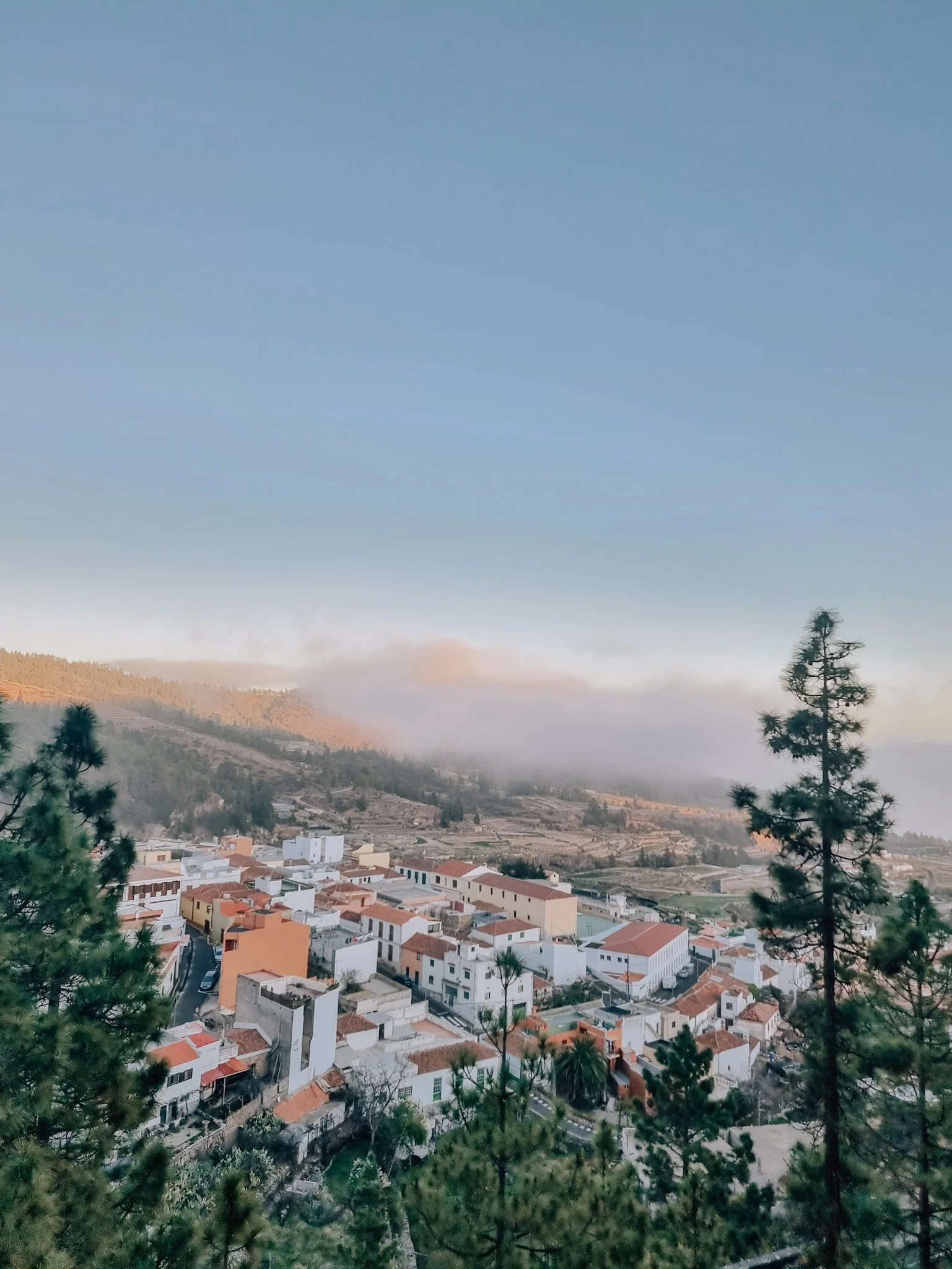
We were met on arrival at Tenerife South Airport and transferred up into the mountains to Vilaflor, the highest village on the island, that would be our base for three nights. We settled into Hotel Spa Villalba, a peaceful spa hotel surrounded by pine trees and sweeping mountain views. That first evening in the village set the tone for the days ahead, cool air, quiet streets, and our introduction to papas arrugadas. Those little wrinkled potatoes, served simply with mojo sauce, quickly became a mild obsession.
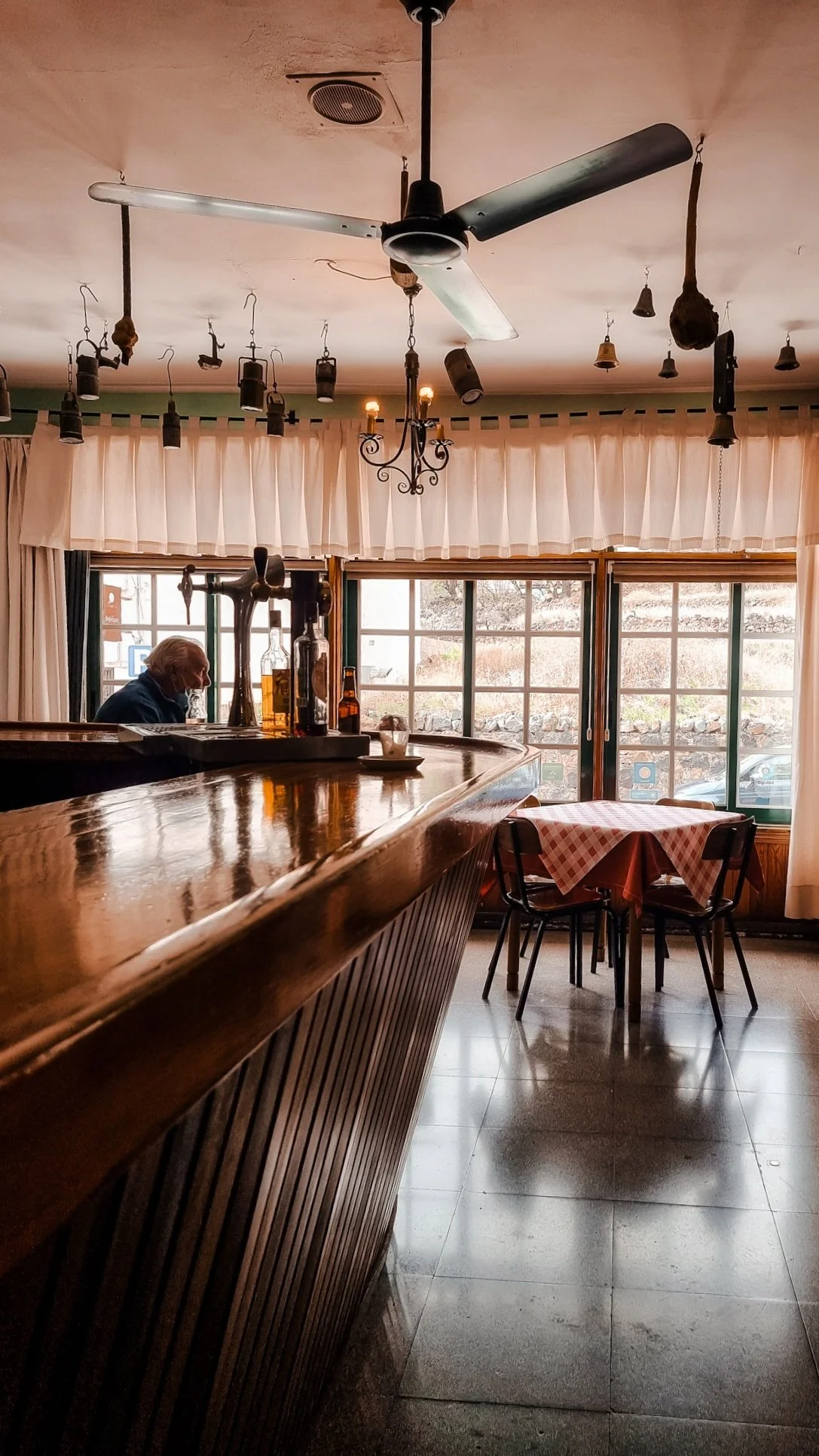
Authentic simplicity, high in Vilaflor
Day 2 - Paisaje Lunar (Lunar Landscape) | ~14.5 km
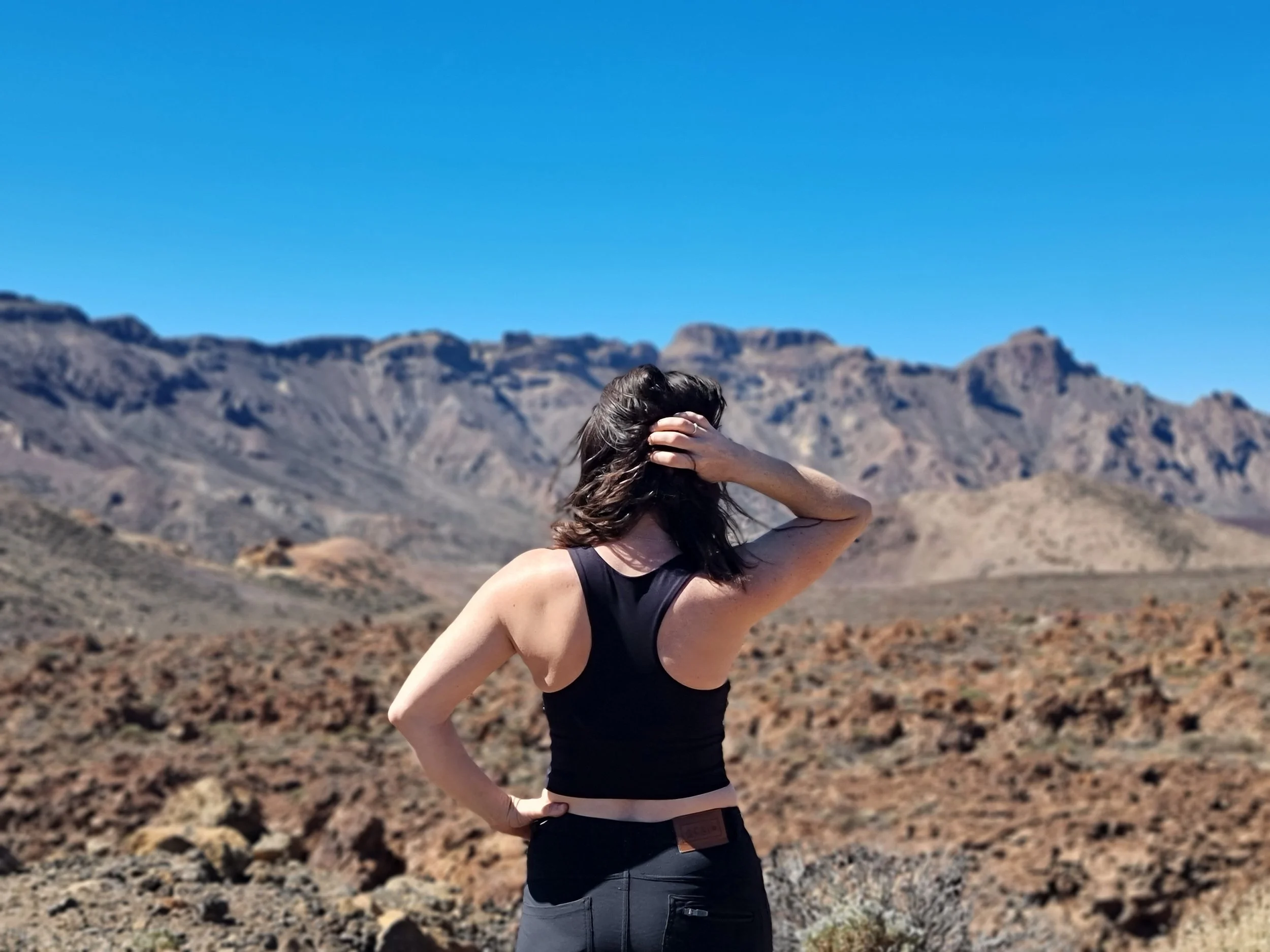
After a short transfer from the hotel to the trailhead, the walk through Paisaje Lunar, a surreal volcanic terrain of sculpted rock formations felt almost otherworldly. The trail offers wide views over Tenerife’s southern interior and pine forests before looping back to Vilaflor for the night.
Moonscapes, Paisaje Lunar
Day 3 - Teide National Park | ~4.5–8 km
There was a choice of two scenic routes on day 3 within Teide National Park:
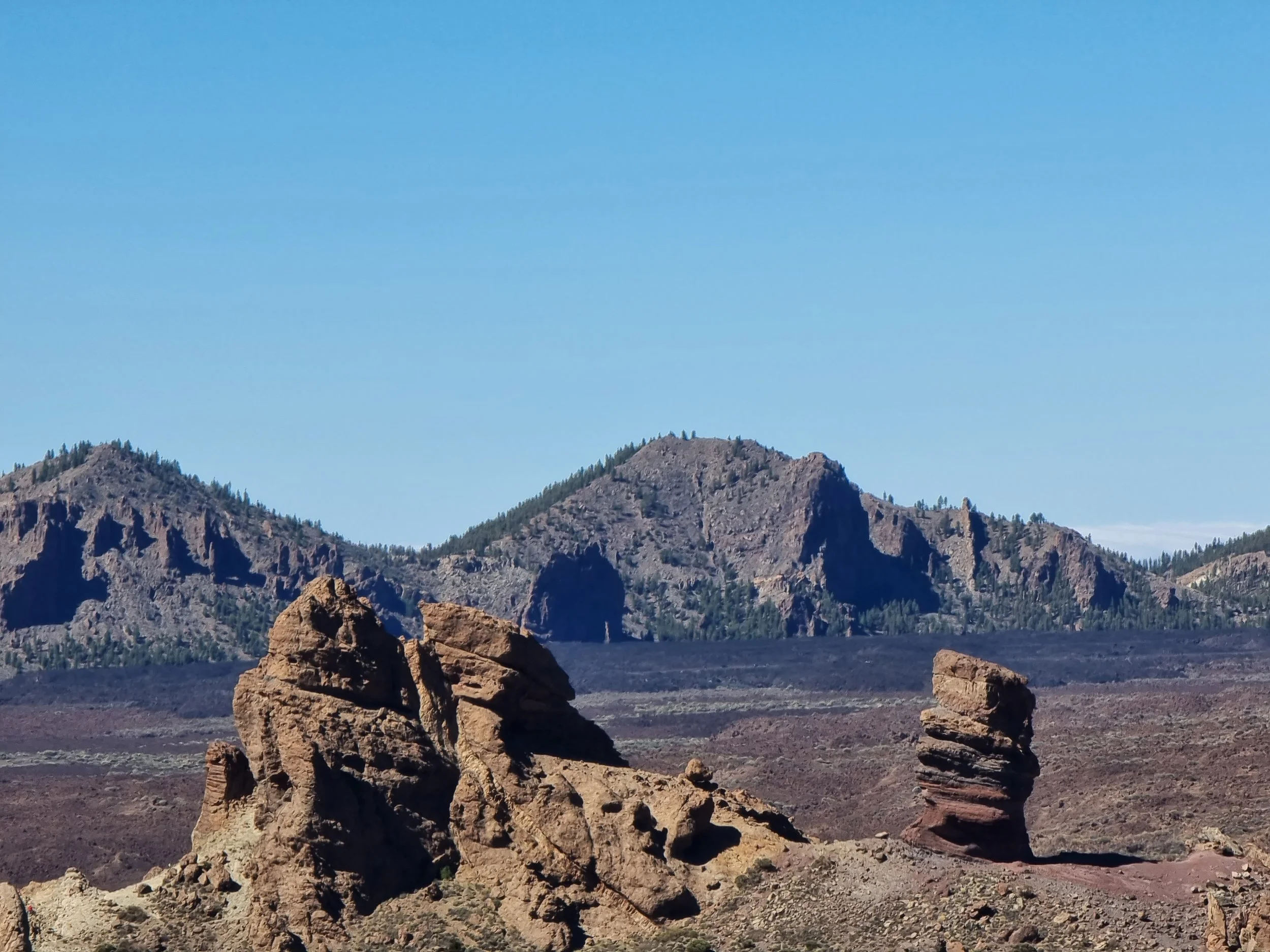
A circular walk past dramatic volcanic formations at Los Roques de García, or
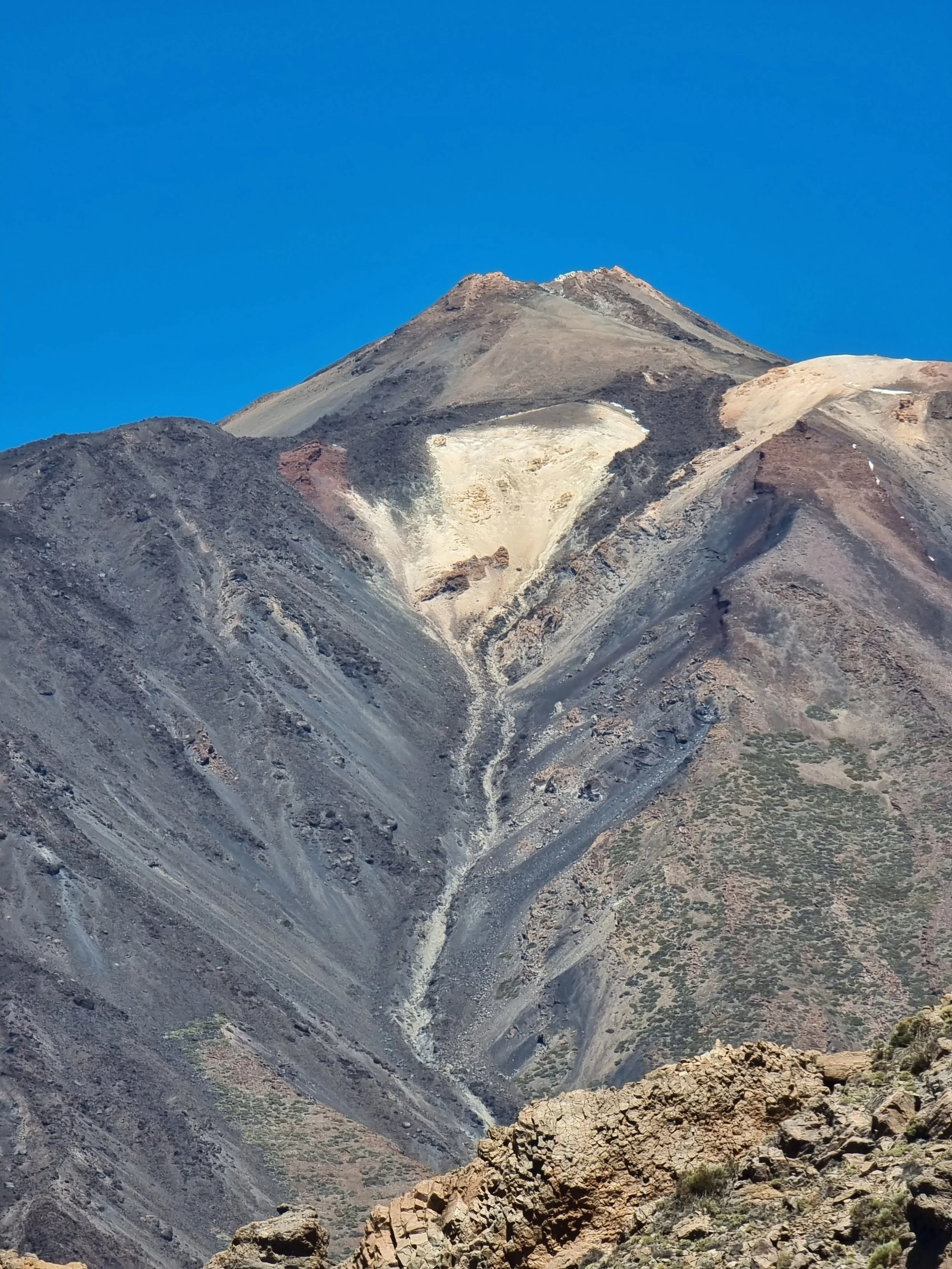
A cable-car assisted route up to viewpoints near Mount Teide with sweeping panoramas across Tenerife and neighbouring islands.
If you’ve secured a climbing permit in advance, there is also an option to extend the day with a short summit walk to Teide’s peak.
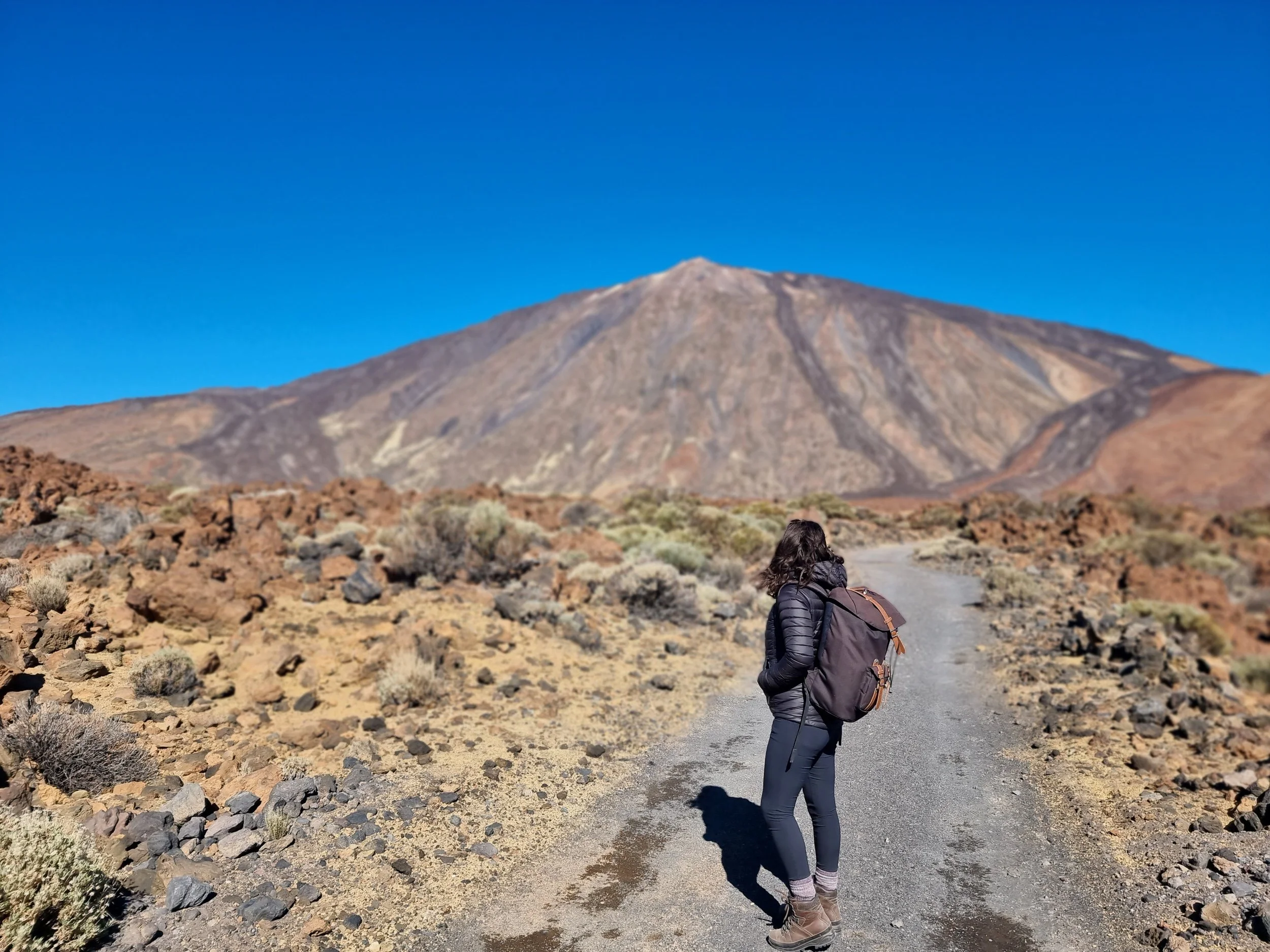
Mars landing, Teide National Park
Day 4 - Transfer to La Gomera & Garajonay National Park | ~10–13 km
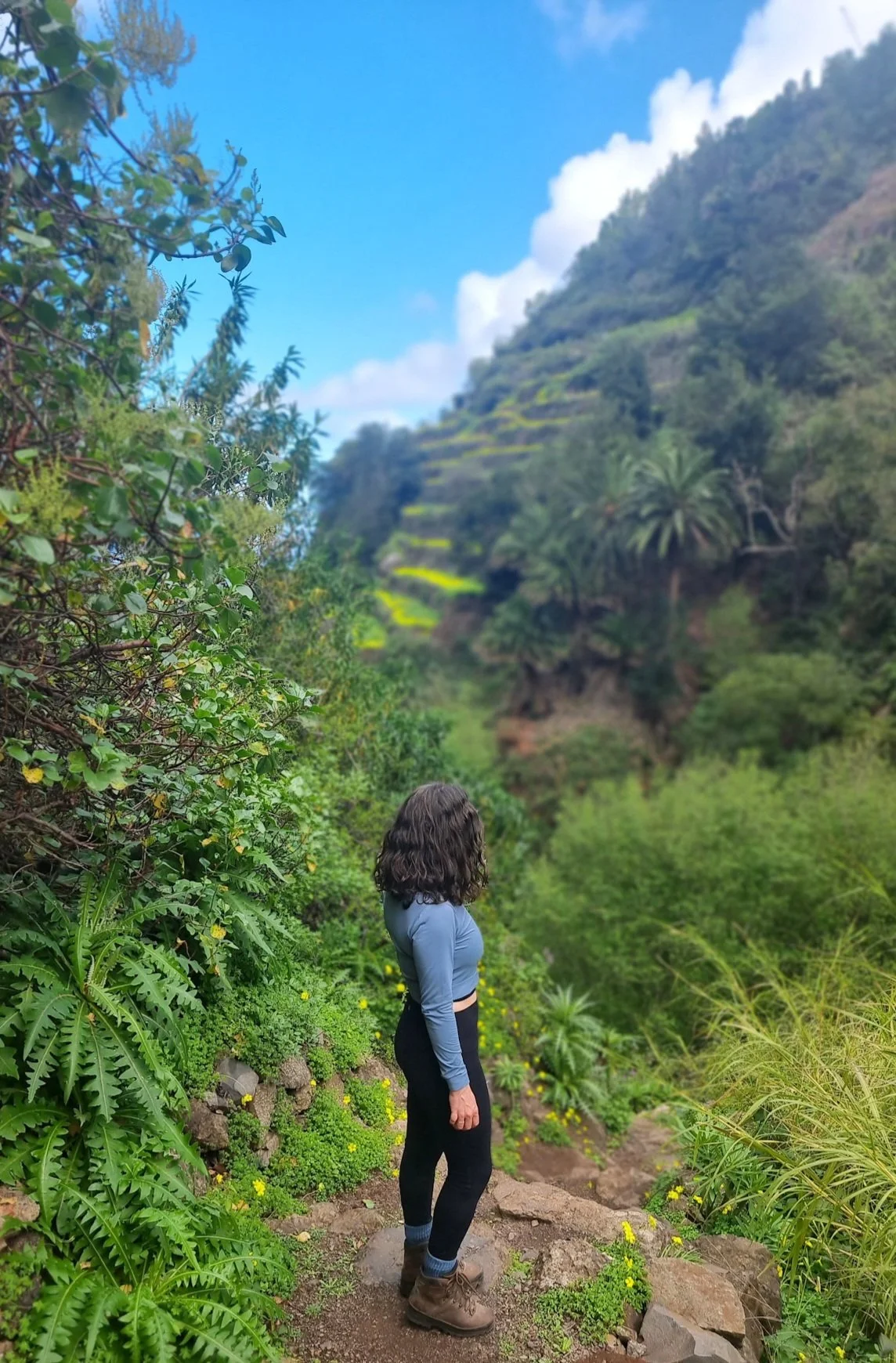
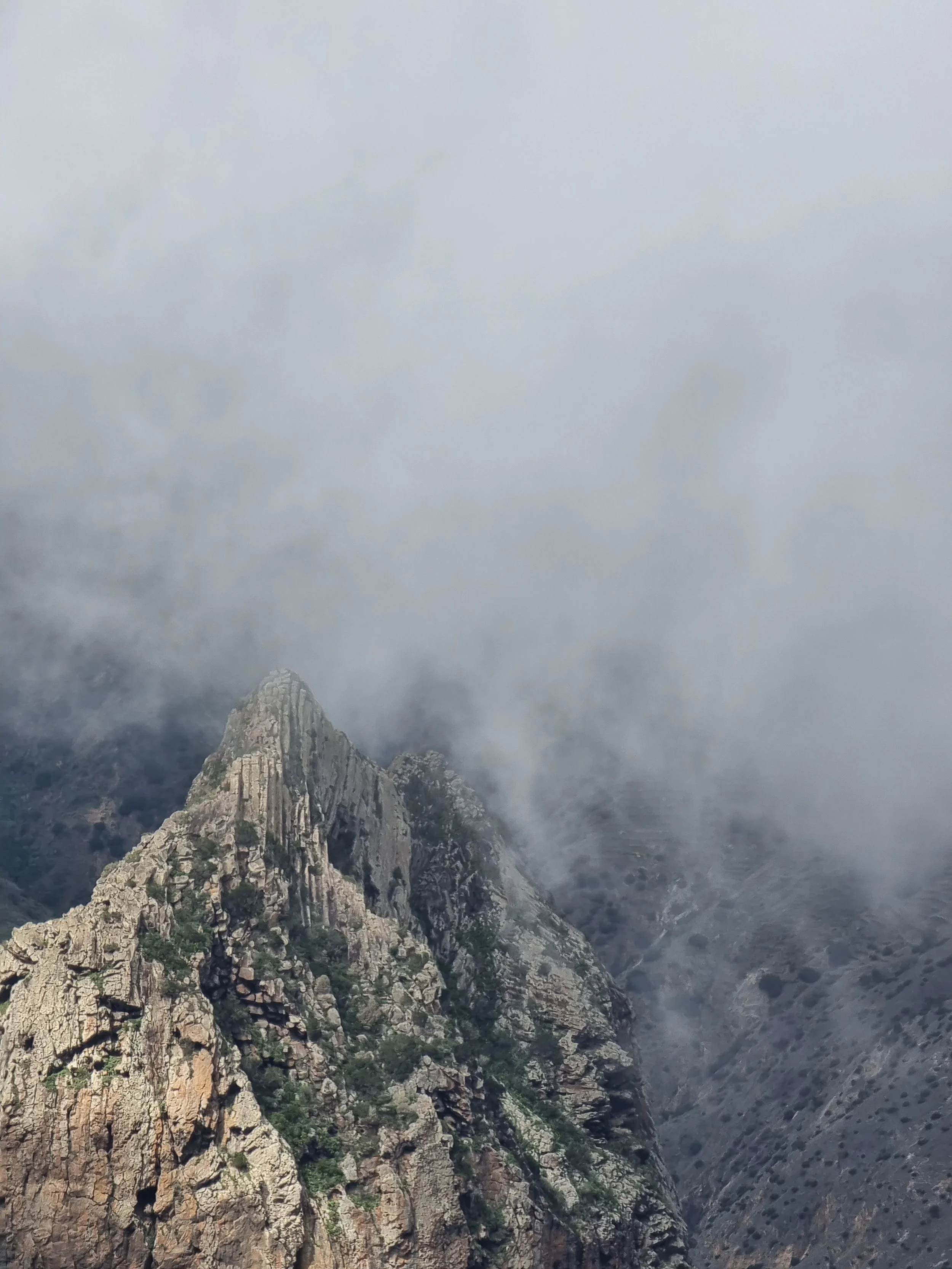
We took the earliest ferry across to La Gomera. From San Sebastián, we were transferred up to El Contadero to begin walking through ancient laurel cloud forest, descending toward the village of Hermigua. The trail dropped into deep, fern-filled ravines, the landscape feeling almost Jurassic in places - lush, damp, and wonderfully primeval.
Breathe clearly, the cool, misty laurel cloud forest
We walked with only our day packs, our main luggage transported ahead to our hotel after we were dropped off at El Contadero, which added to the sense of ease and freedom on the trail. Partway through the walk, we stopped at the charming and rustic café / bar / campsite, La Vista for lunch and a cold beer, with breataking views of the valley. For those feeling strong, there’s also the option of an extra ascent up to Alto de Garajonay, the island’s highest point, before continuing on to Hermigua.
Our base for the first three nights in La Gomera was the Escuela Rural Casa de los Herrera Hotel, right in the heart of the village. From here, it was just a short walk to the sea, a handful of cosy, slightly 90s-esque bars, and the hotel’s own noteworthy restaurant, Los Herrera. Comfortable and stylish, it made a perfect base for exploring this side of the island.
Los Herrera at Casa de los Herrera promotes local products from La Gomera
Day 5 - Hermigua Circular Walk | ~12.5 km
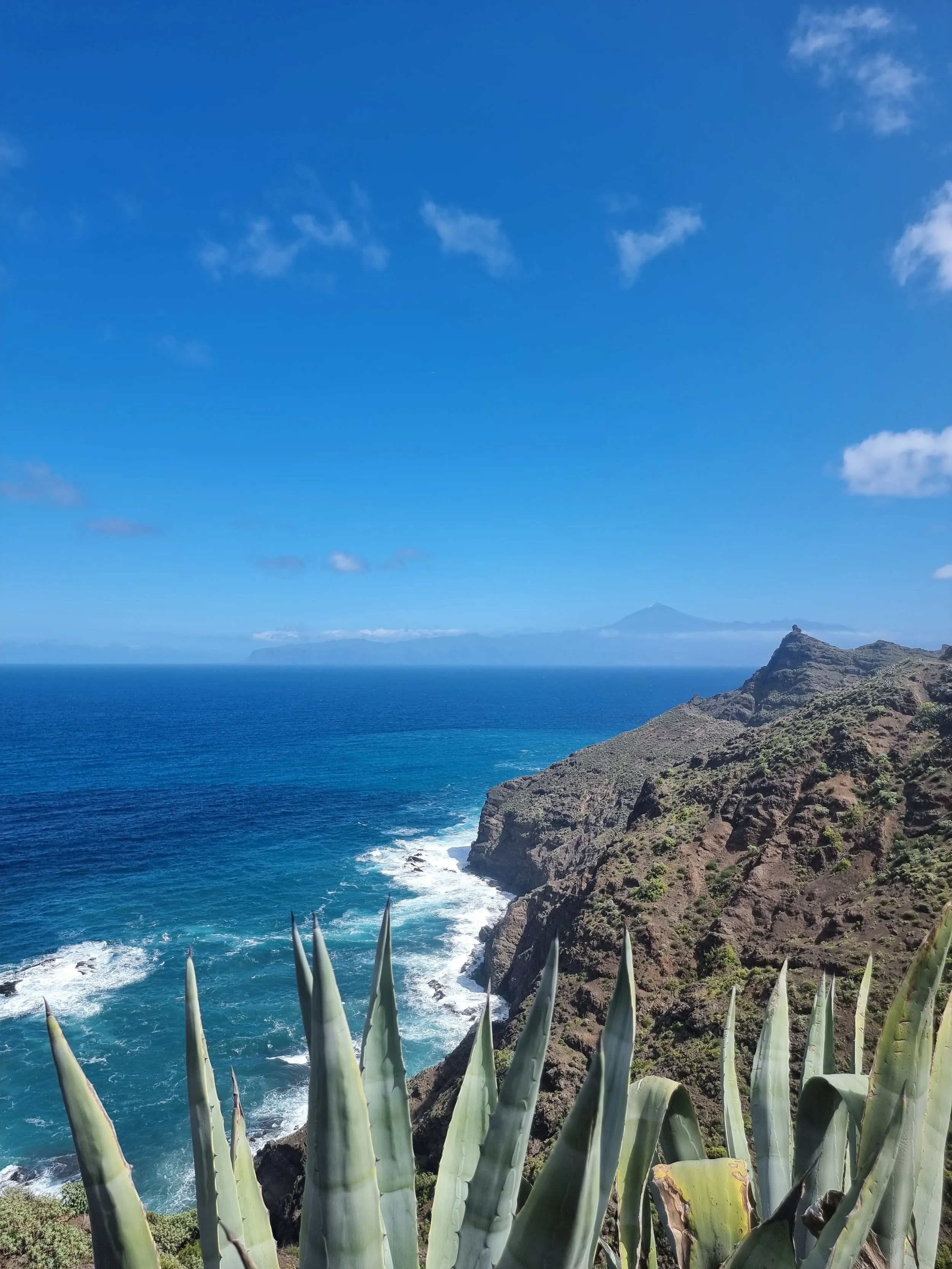
Day 5’s route began with a steep climb out of Hermigua before weaving past abandoned settlements and along coastal paths with dramatic views back to Tenerife and Mount Teide. The varied terrain and vistas made this a standout day on the island.
One of the advantages of booking with The Natural Adventure quickly became apparent that morning: they clearly had their finger on the pulse. Before we set off, the hotel receptionist called to us with printed maps for a new route, updated since the itinerary was sent to us before our trip. A mudslide had occurred just a few days before our arrival, and The Natural Adventure had efficiently rerouted us to ensure our safety while still allowing us to enjoy the walk.
Day 6 - Juego de Bolas to Vallehermoso | ~9 km
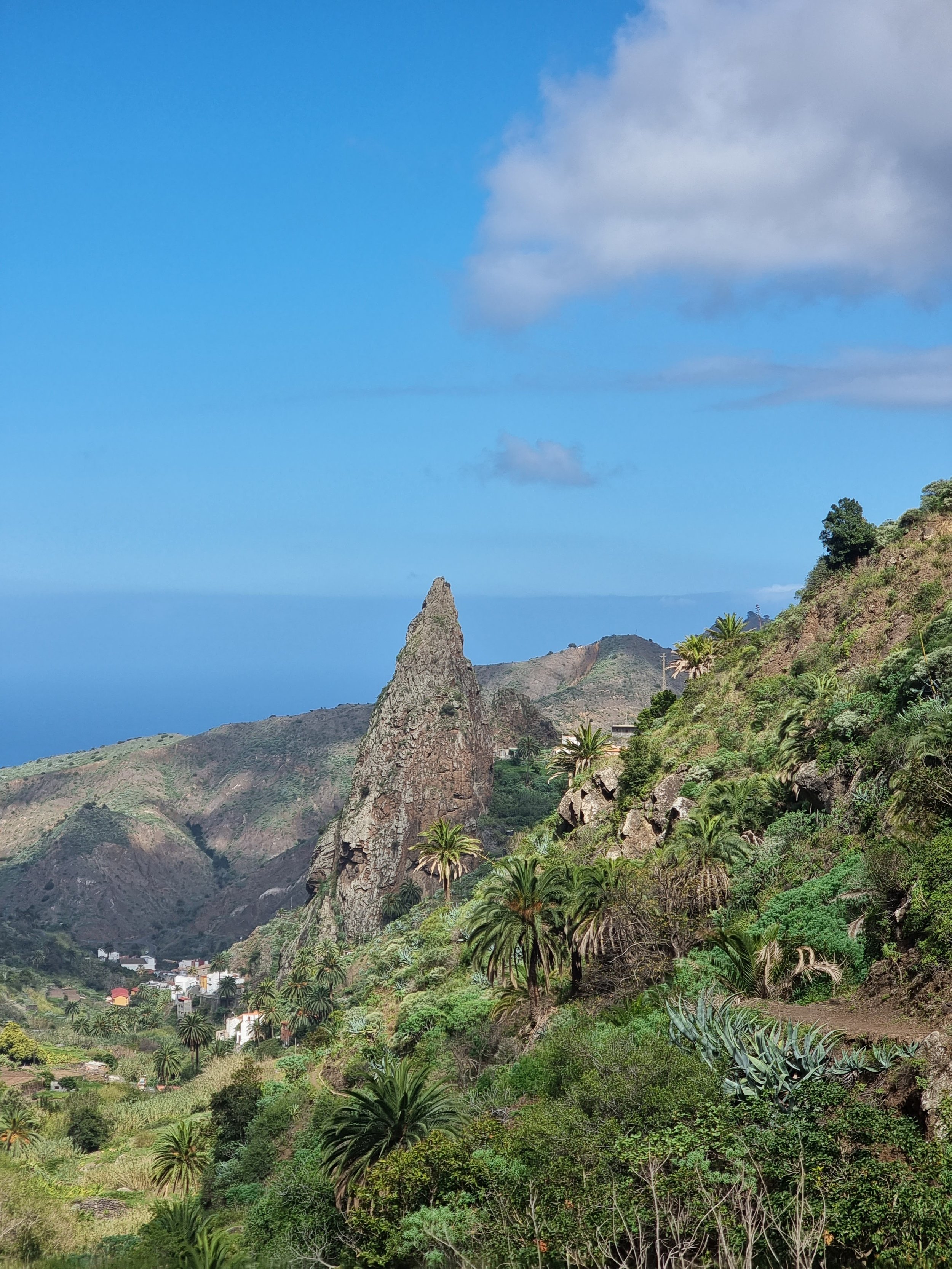
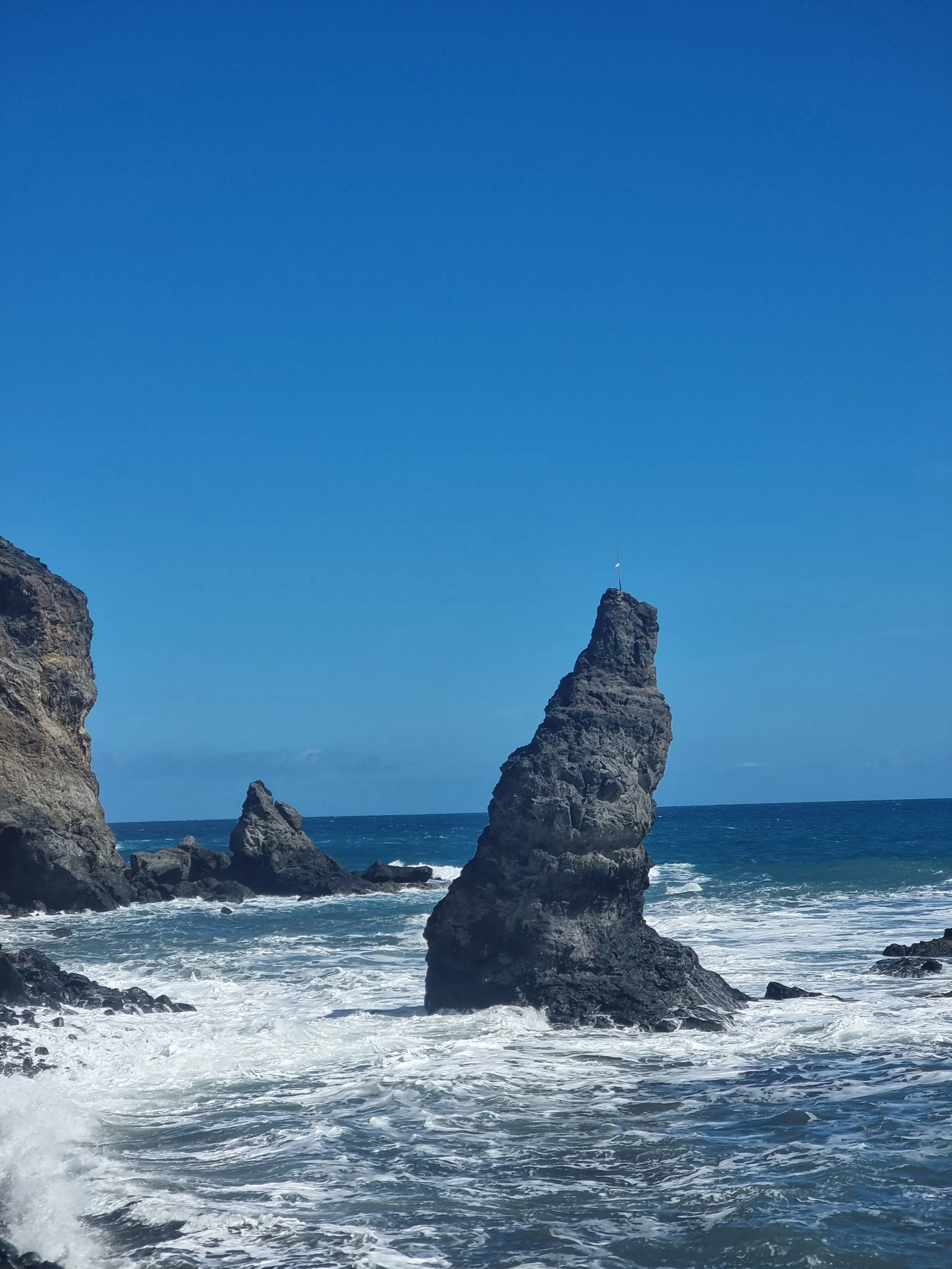
After a short transfer, our walk started from the Garajonay National Park visitor centre at Juego de Bolas and followed a section of the GR-132 long-distance trail toward Vallehermoso. Along the way we passed striking natural rock monuments before descending into the village and returning to Hermigua for the night.
Day 7 - Degollada de Peraza to San Sebastián via GR-131 | ~10 km
Day 7 was the hairiest day of the trip. The weather was unpredictable, and the wind was fierce as we were transferred from our hotel in Hermigua to the start of the historic GR-131 trail. Thankfully, as the trail eased downhill toward San Sebastián de la Gomera, the island’s capital, so too did the weather. By the time we arrived in town, the sun had come out, and we were finally able to take a refreshing swim in the sea — the Atlantic was far too rough on the other side of the island earlier in the week.
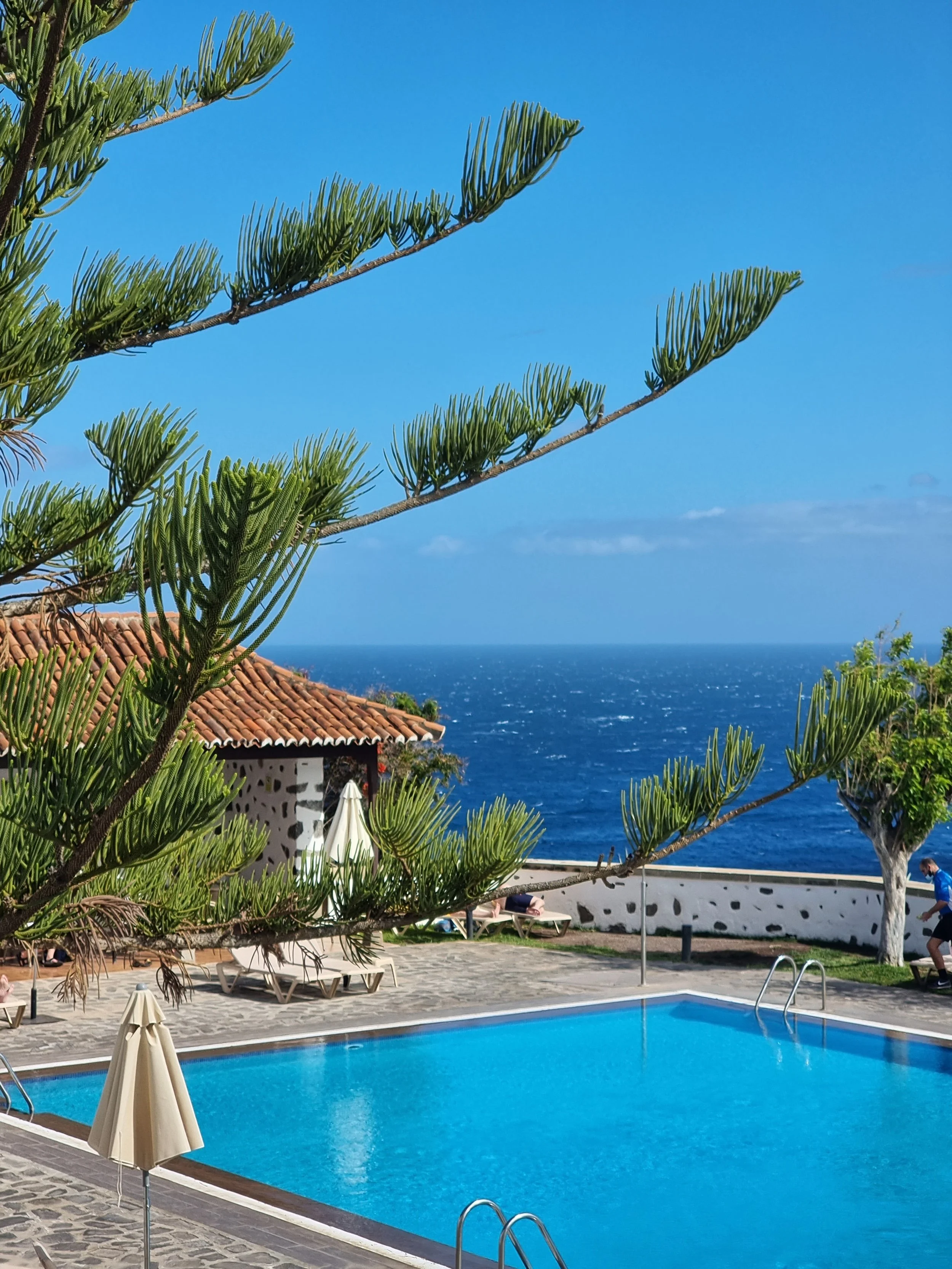
We checked into the beautiful Parador de La Gomera, an oceanside hotel with a gorgeous pool and restaurant and the perfect spot to soothe our tired legs. This stay is additional to the cost of the trip, but after six days of hiking, the luxury felt completely worth it.
A pop of colour and local swimmers, San Sebastián de la Gomera
Day 8 - Departure
After breakfast, it was time to leave. A short walk leads you to the ferry back to Tenerife, with enough time for lunch and a dip in the sea before heading to the airport.
The Verdict - Reflections on the Trip
We loved both islands - the variety of landscapes, the dramatic ravines, volcanic peaks, and the warmth of the people we met. La Gomera, in particular, stole our hearts, and we would return in a heartbeat. We’re now even more intrigued by the smaller, quieter island of El Hierro. Despite taking so much pleasure in planning our own trips, admittedly it was a nice change to have everything arranged for us: pick ups, luggage transfers, and The Natural Adventure’s careful planning meant travel was smooth and stress-free. The accommodation was excellent and the routes were adventurous and breathtaking. We would definitely hike more of the Canaries and book another self-guided trip with The Natural Adventure.