Christmas in Crete: Hiking Trails, Taverna Stops & Quiet Beaches
In December, Crete slows to its most beautiful rhythm. The air is crisp but sun-warmed, and the island feels quietly, authentically itself. With mild winter temperatures, empty hiking trails, welcoming tavernas and peaceful beaches, Christmas in Crete is a dream for adventure seekers who prefer solitude, scenery and slow, rewarding days outdoors.
What’s the story, where is Crete?
Crete is Greece’s largest island, stretching long and wild across the southern edge of the Aegean Sea, where dramatic mountains tumble down to turquoise coastlines. Shaped by thousands of years of history, from the ancient Minoans to Venetian harbours and mountain villages that seem frozen in time, the island tells its story at every turn. What truly stays with you, though, is the warmth of the Cretan people, whose generosity, pride and love of food, family and tradition make even a winter visit feel deeply welcoming.
Why Crete belongs on every hiker’s bucket list
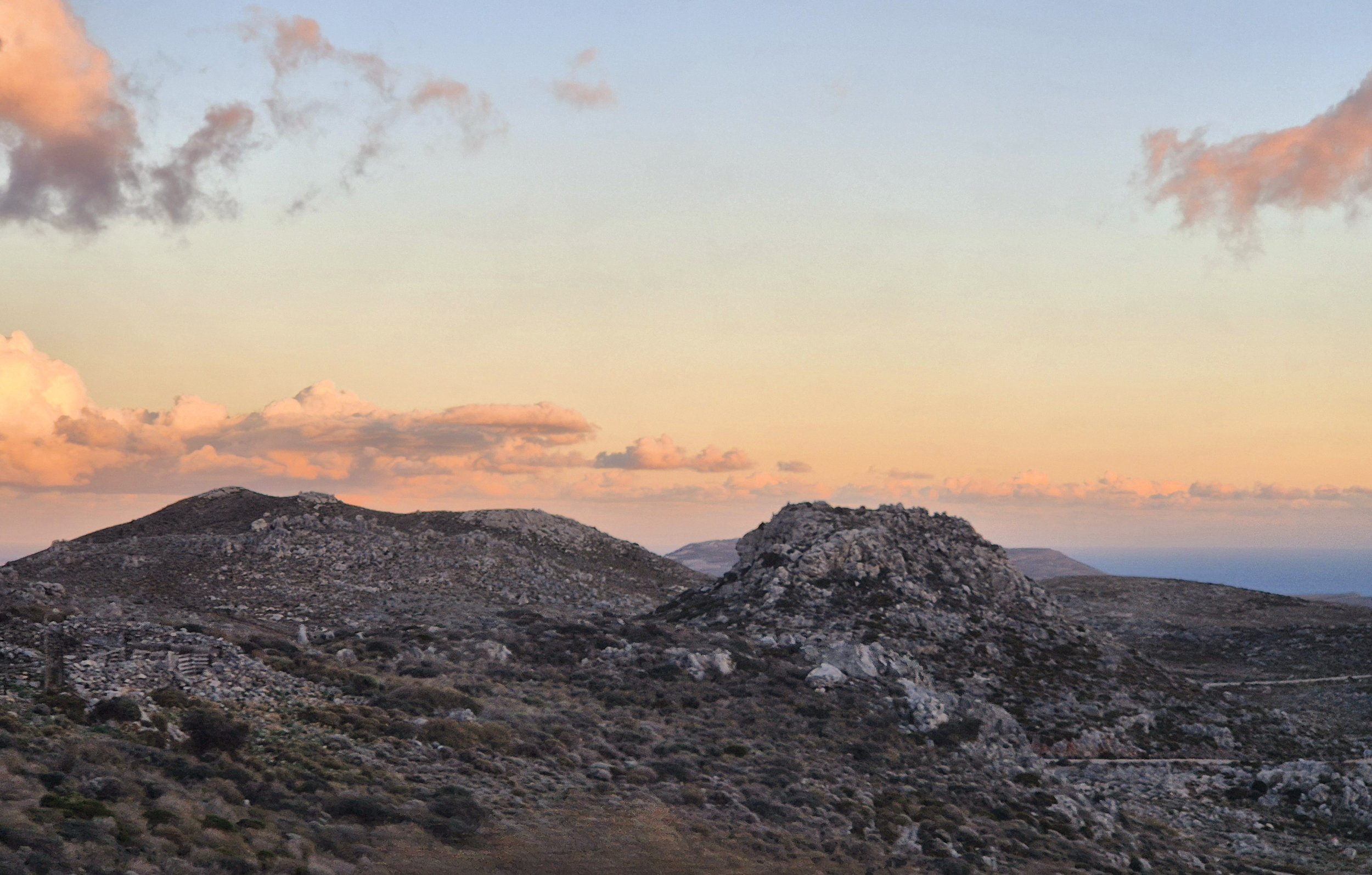
Crete is a hiker’s paradise, shaped by dramatic topography that feels far more rugged than most Mediterranean islands. Three major mountain ranges the White Mountains (Lefka Ori) in the west, Mount Ida (Psiloritis) in the centre at 2,456 metres, and the Dikti Mountains in the east, rise sharply from the sea, creating endless ridgelines, high plateaus and remote valleys to explore.
The island is crossed by the long-distance E4 European hiking trail, weaving its way from west to east through mountains, villages and coastline, while Crete’s true hiking stars are its gorges, deep canyons carved by water over millennia, from famous routes like Samaria to countless quieter, lesser-known walks perfect for winter adventures.
Crete in winter, really?
Crete conjures images of sun-soaked beaches and sizzling summer heat, but winter reveals a completely different, and a more walkable, side of the island. We spent seven days in Crete over the Christmas week, with daytime temperatures hovering between 16°C at the coolest and 20°C at the warmest making it perfect for hiking without the dangers of extreme heat, yet still warm enough to enjoy sunny picnic stops and relaxed evenings outdoors. It’s worth noting that Samaria Gorge is closed during winter (open from 1 May to 31 October), but Crete is home to countless other gorges that are just as beautiful, far quieter, and ideal for winter exploration. Even better, the sea sits at around 20°C, and with beaches blissfully quiet, there’s nothing quite like a refreshing dip to cool down at the end of a hike.
How to get there
Crete is easy to reach year-round, though in winter most routes are indirect as many seasonal flights pause outside of summer. We flew from Dublin to Heraklion with Lufthansa, travelling via Frankfurt, which made for a smooth and well-connected journey. In the quieter winter months, flying through major European hubs like Frankfurt or Athens is the easiest and most reliable way to reach the island.
Having a car in Crete is essential in winter as the island’s bus service operates on a reduced schedule compared to summer and, whilst travel on main routes and between major cities like Chania, Rethymno, and Heraklion is possible, service to very remote villages is limited. We picked up a hire car at Heraklion airport and the island is serviced by a network of good roads.
Where we stayed
To make the most of one week on such a large and varied island, we split our time across three very different bases, allowing us to explore Crete from west to east without spending every day on the road.
Chania was our first stop. A a beautiful Venetian harbour town on the island’s northwest coast, known for its colourful old town, winding streets and lively food scene. It’s an ideal base for western Crete hikes and winter wandering, and we stayed at the stylish and centrally located Malmo Hotel, perfectly placed for early starts, great coffee shops and relaxed evenings.
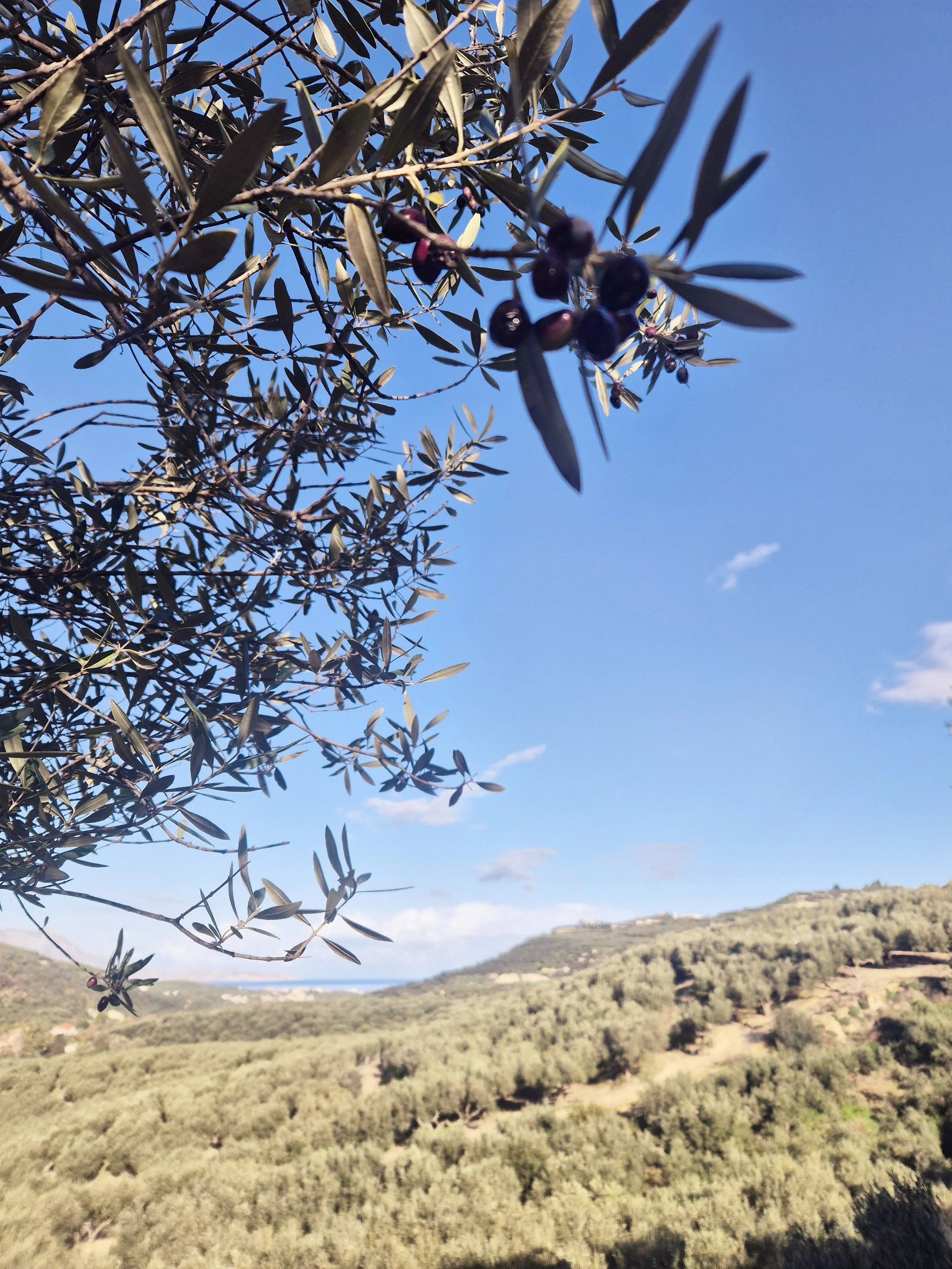
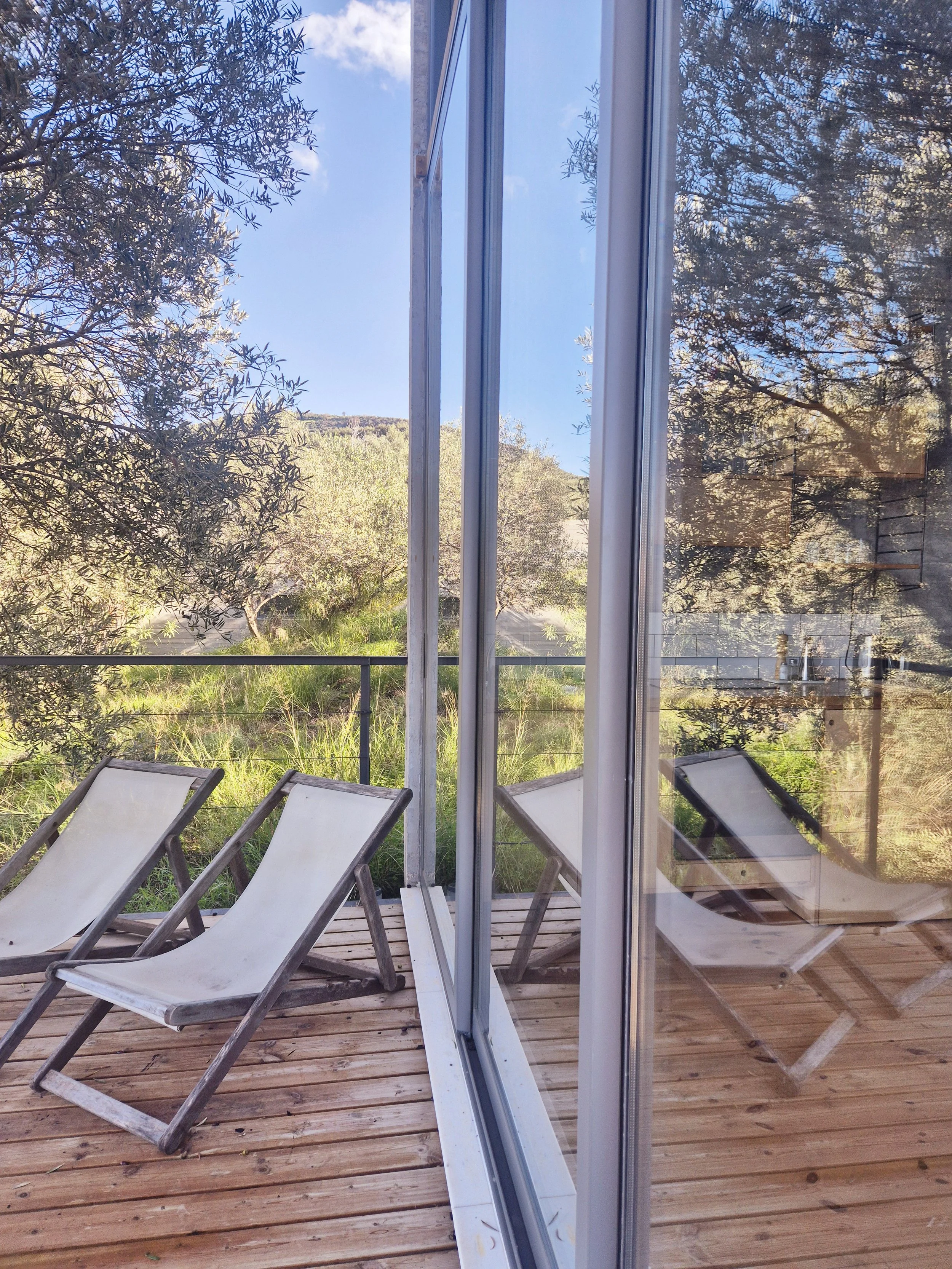
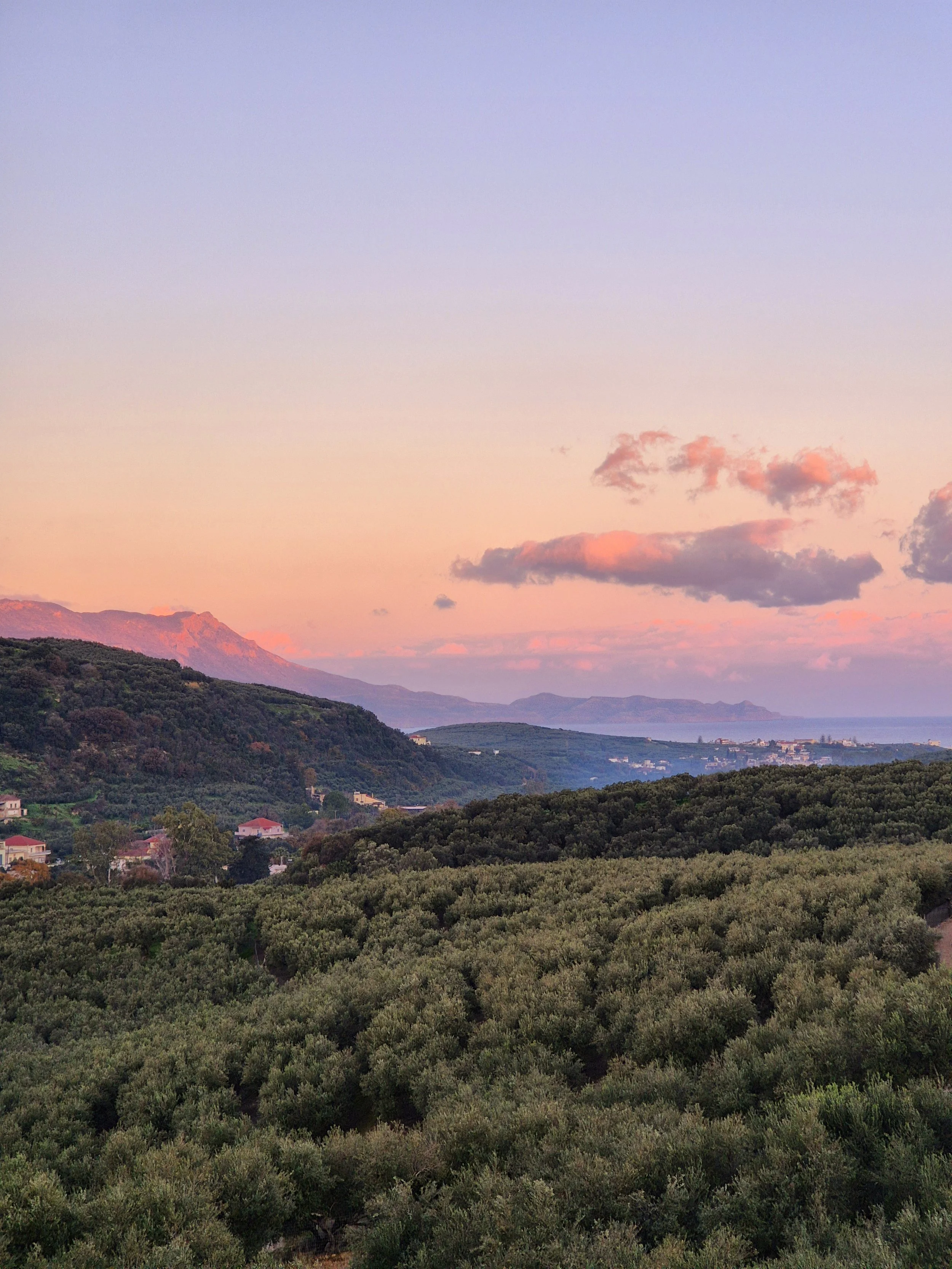
From there, we headed further west to Kissamos, staying outside the small village of Dermitziana in one of the most memorable places of the trip, a striking concrete cabin perched among 1,000 olive trees, with uninterrupted views out to sea. Remote, peaceful and surrounded by nature, this spot felt made for winter hiking days and quiet nights.
For the final leg of the journey, we crossed to the Lasithi region in eastern Crete, basing ourselves in Makris Gialos, a sleepy fishing village with a gentle, local feel. This beautiful apartment sat just 40 metres from the sea, making morning swims and post-hike beers on the beach a Christmas to remember.
Splitting our stay this way gave us a real sense of Crete’s scale and diversity, from historic towns to wild olive groves and quiet coastal villages, all at a wonderfully unhurried winter pace.
Our 7-Day Winter Itinerary
Here’s how we spent a week exploring Crete in December, balancing hikes, gorges, beaches, and local tavernas while moving west to east across the island. Each day combines outdoor adventure with time to soak up the scenery, winter light, and quiet charm of the off-season.
Day 1: Arrival in Heraklion → Chania
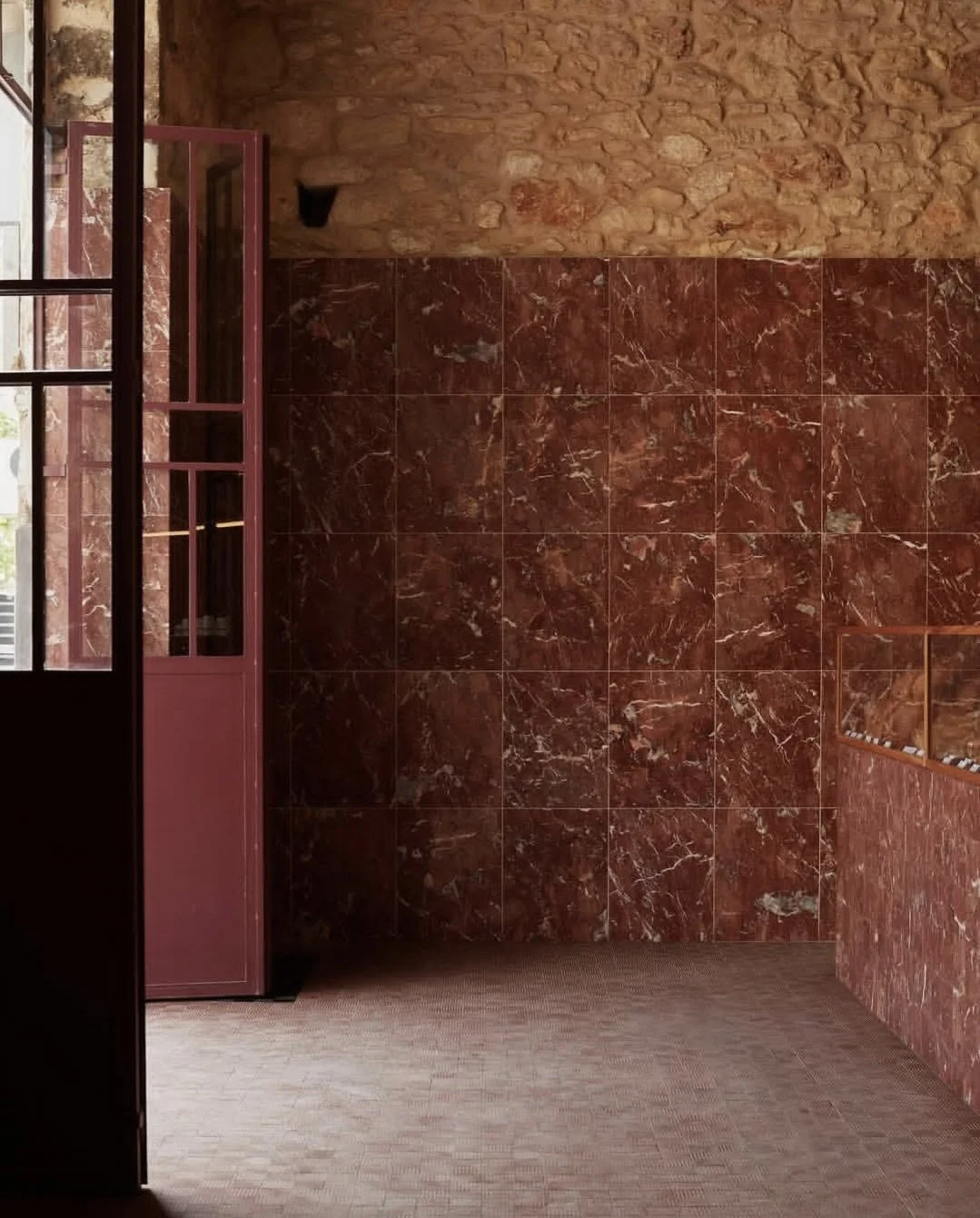
After landing in Heraklion, we picked up our rental car and drove two hours west to the stunning city of Chania, a Venetian harbour town that instantly captivates with its winding streets, colourful buildings, and vibrant port. Spend the afternoon wandering the old town, don’t miss Red Jane, an artisanal bakery housed in an abandoned interwar foundry, where the pastries are as creative as the space itself, or Monogram for a morning coffee with the friendliest team (We couldn’t resist stocking up on bags of coffee from this gorgeous roastery to enjoy for the rest of our trip.) In the evening, unwind with a glass at Terroir Wine Bar, a local favourite offering a superb selection of Greek wines.
Day 2: Katholiko Gorge & Seitan Limani
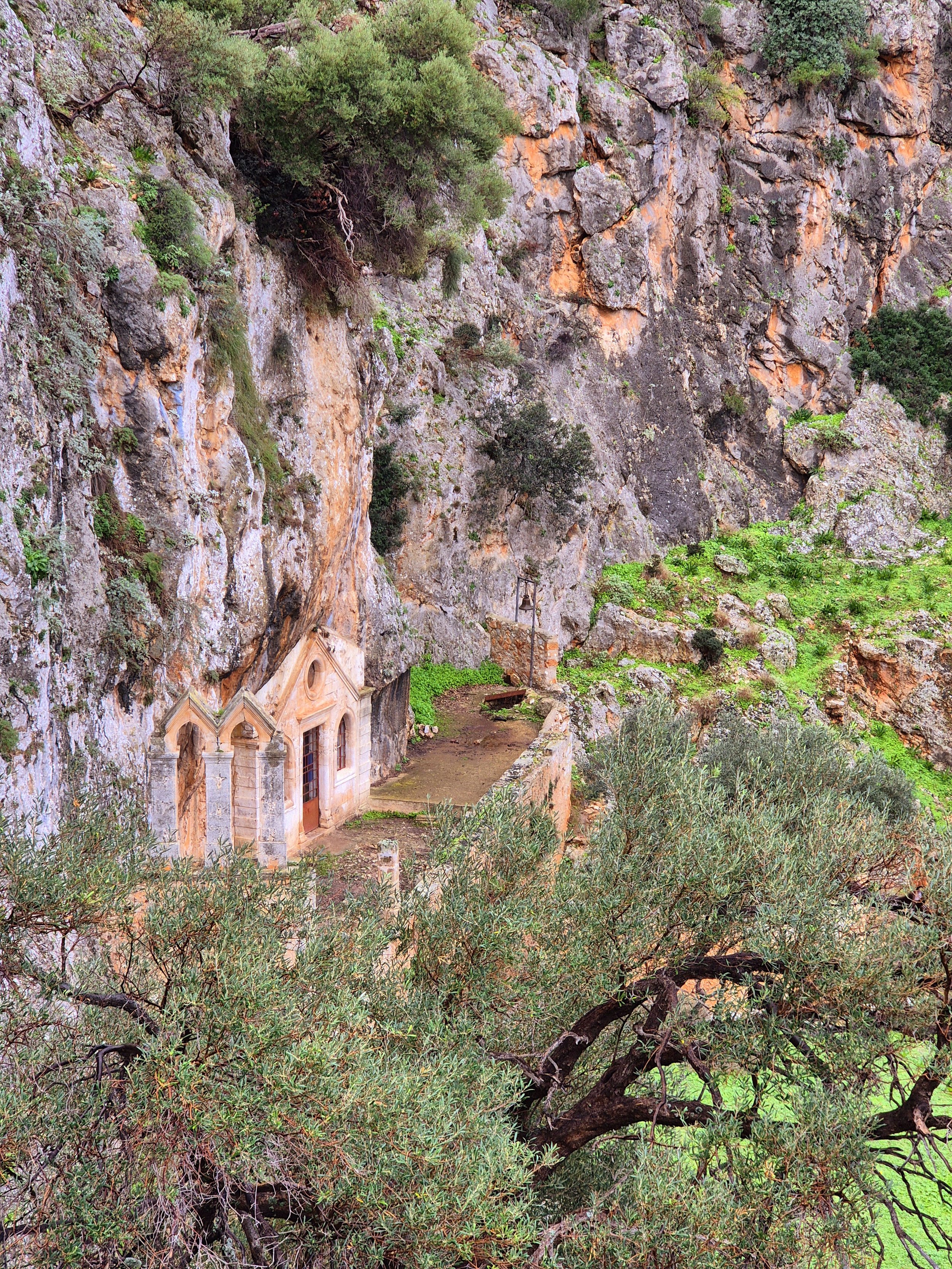
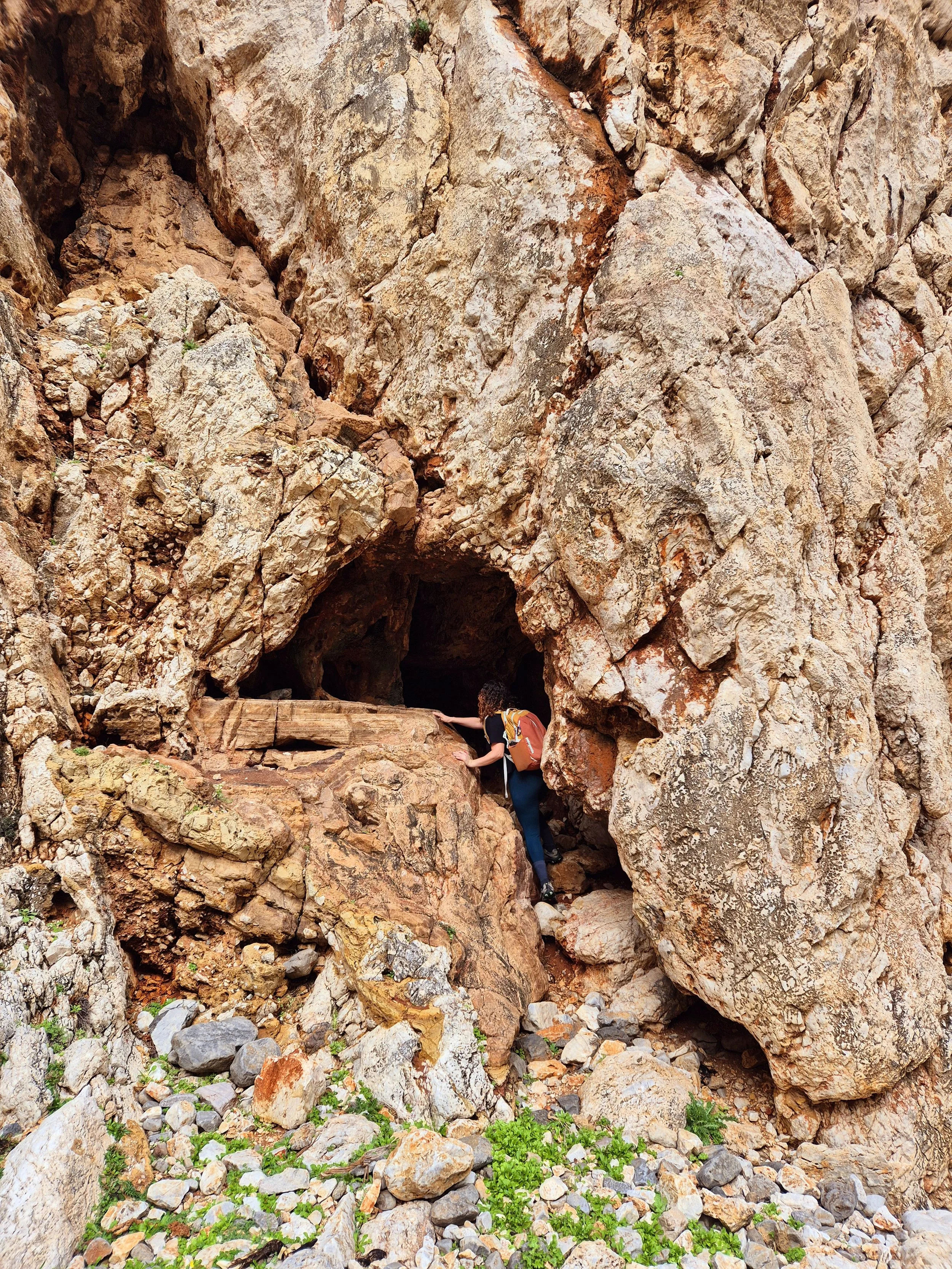
A short drive from Chania along the Akrotiri Peninsula takes you to the Gouverneto Monastery, where your hike into Katholiko Gorge begins. This easy-to-moderate 4.3 km out-and-back route takes about 2 hours and winds past the ruins of the old monastery, ancient hermit caves, and a secluded cove overlooking the sea. Make sure to wear proper shoes and show respect for this sacred, historic site. Swimming at the cove is not allowed.
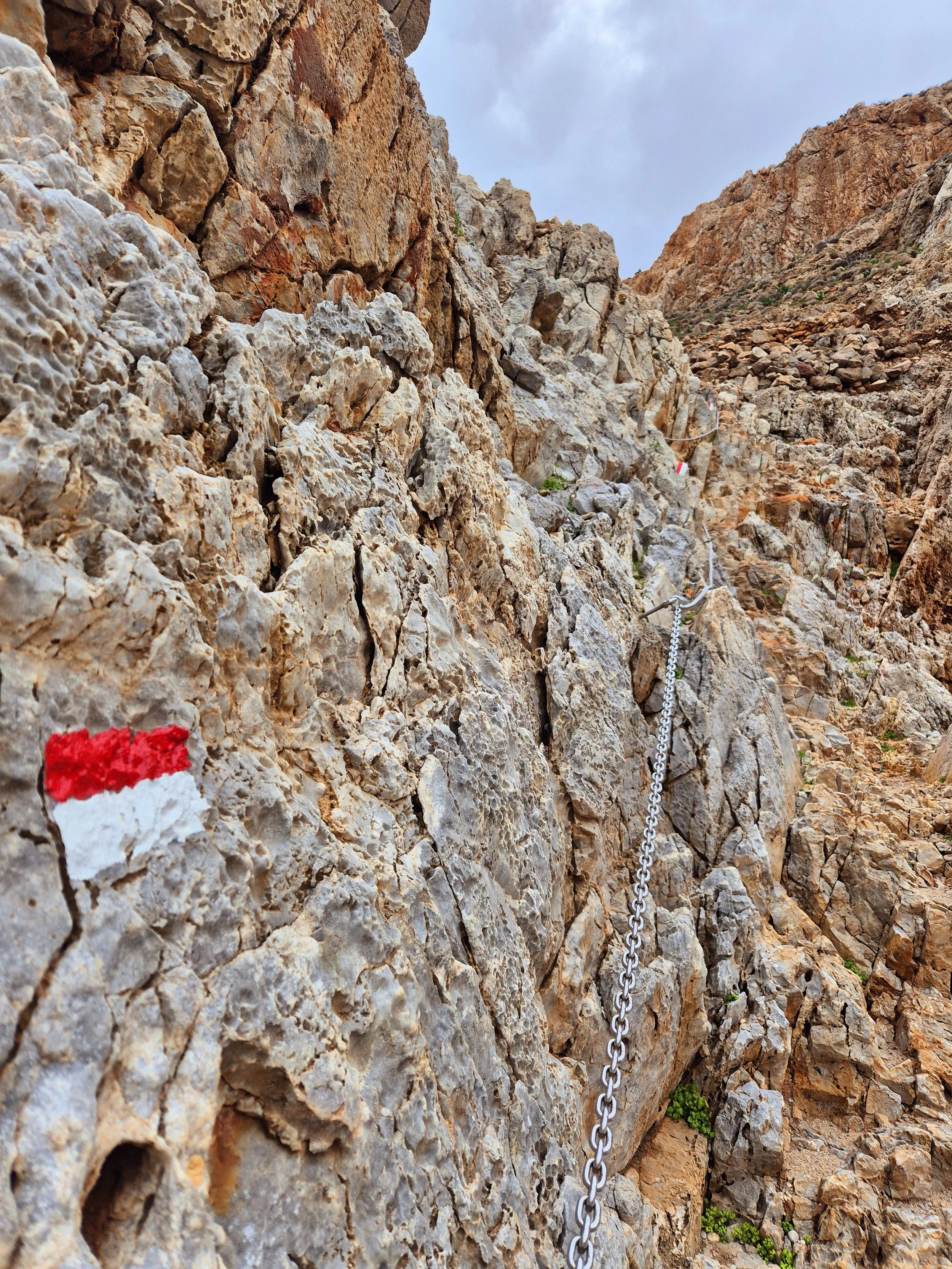
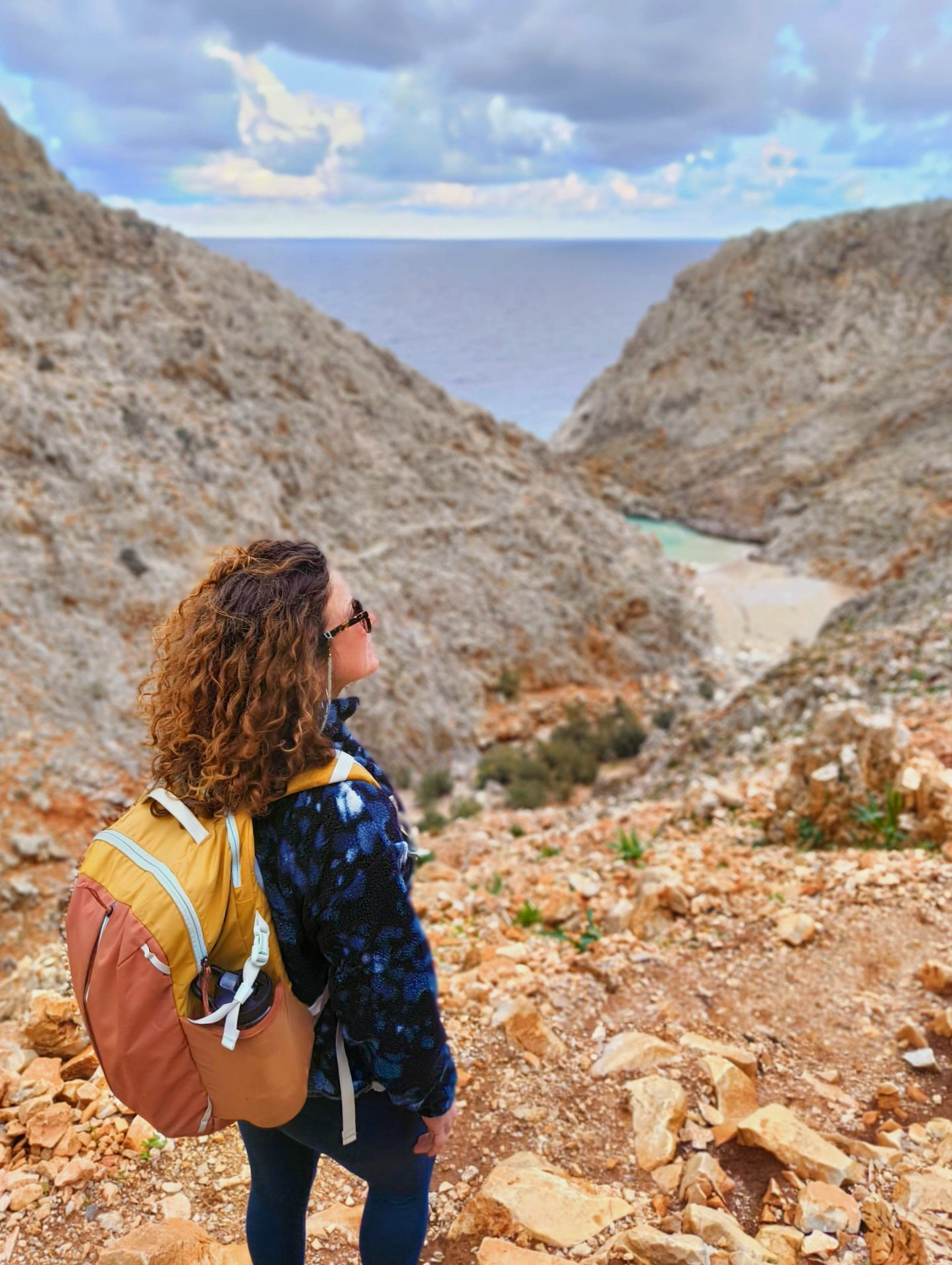
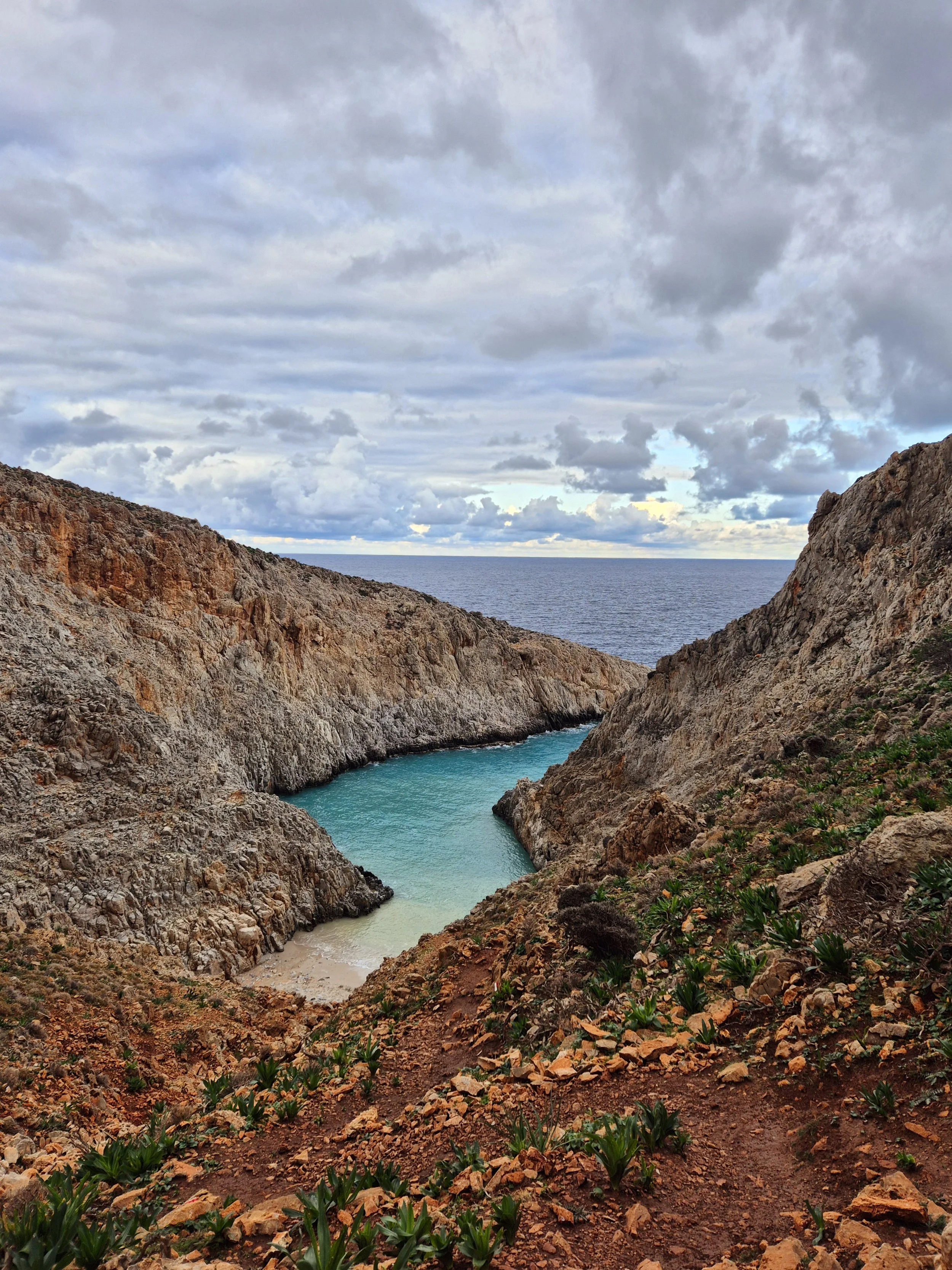
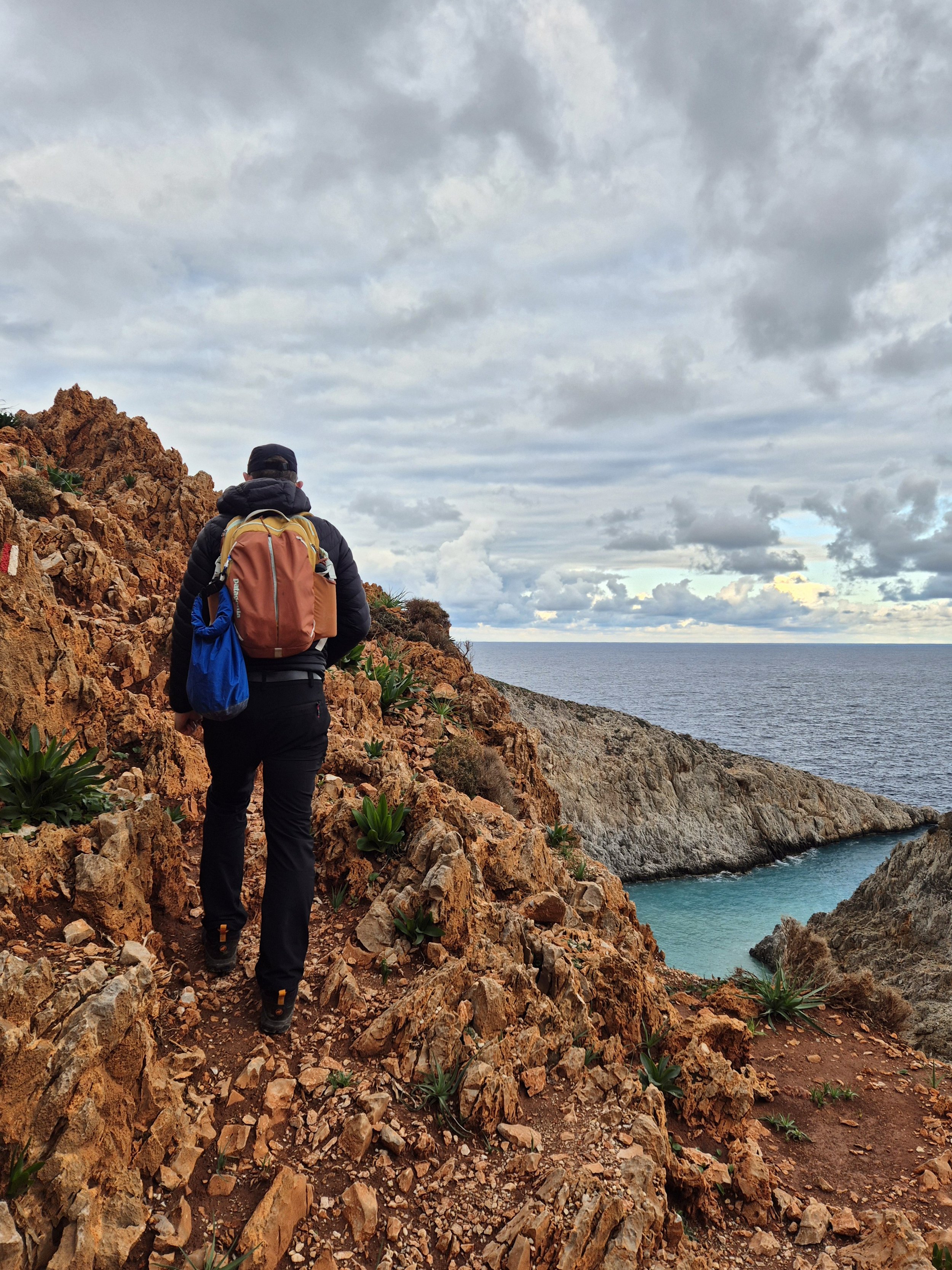
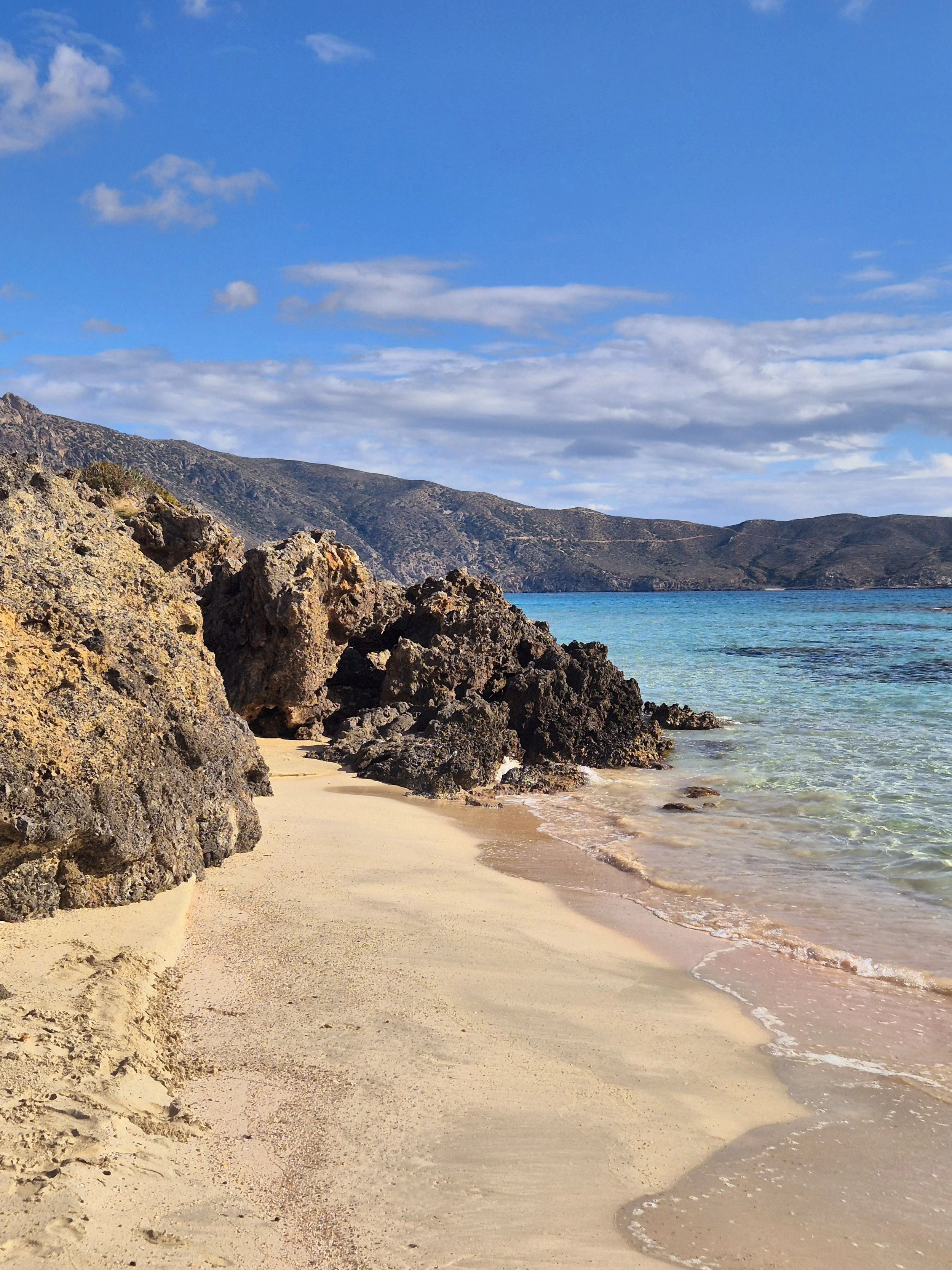
For a refreshing dip afterwards, head to Seitan Limani, a hidden beach accessed via a hairpin drive down the headland and either a scramble down the rock face or a set of steep steps with a chain handrail. The beach feels almost otherworldly in winter, turquoise water, dramatic cliffs, and complete solitude. A perfect reward after a morning in the gorge.
Day 3: Elafonisi Beach
The drive from Kissamos to Elafonisi is breathtaking in itself. The winding mountain road threads through a valley where maple leaves had turned a fiery orange, opening up onto the sparkling coast below. Elafonisi, a protected Natura 2000 site, is a winter paradise. Its pink-hued sand and swimming pool-colored water felt like a magical beach day under the soft winter sun. Enjoy a gentle walk to the lighthouse and a relaxing afternoon swimming, taking the chance to slow down and recharge before picking up the pace again in the coming days.
Day 4: Agia Eirini Gorge
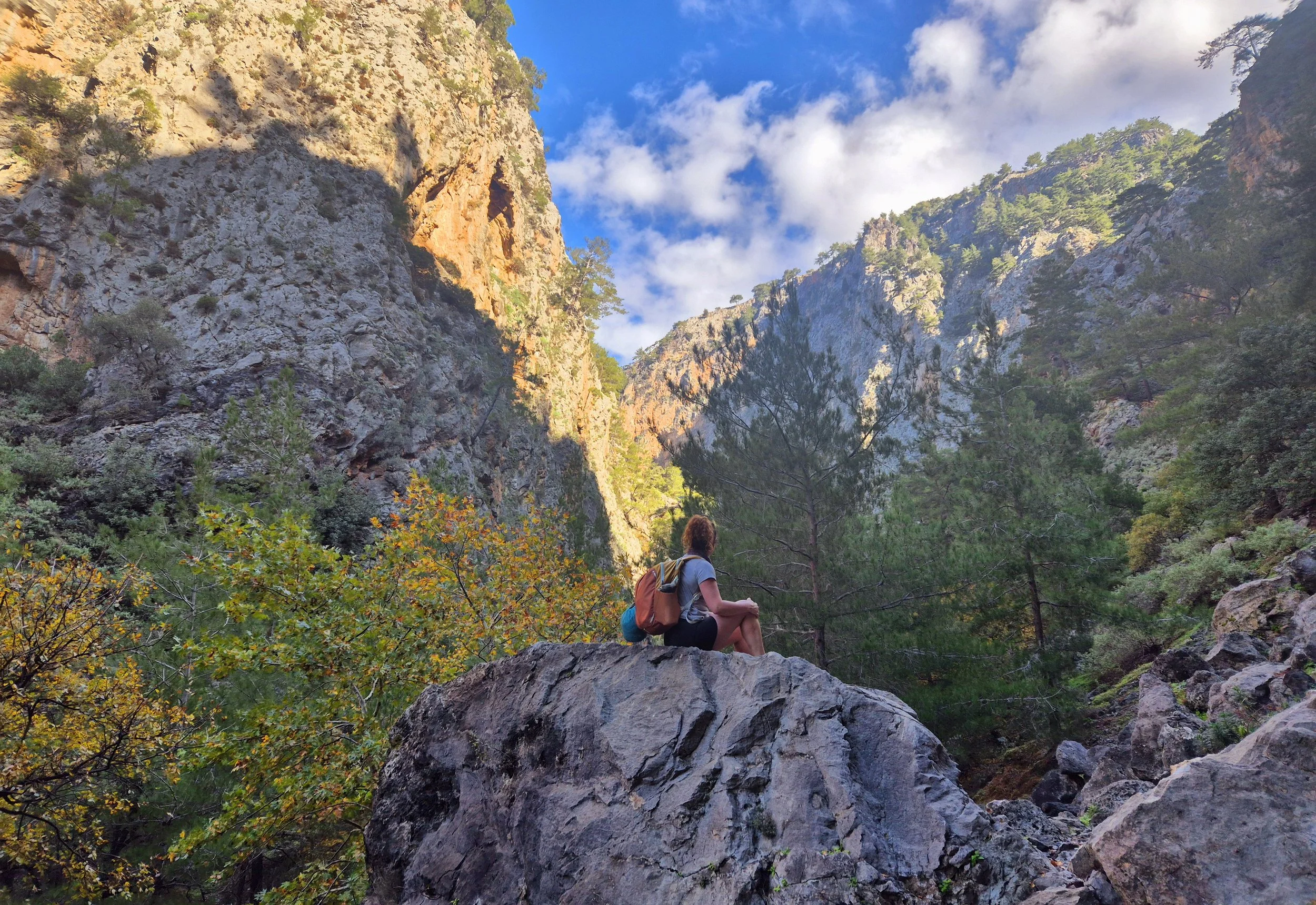
The Agia Eirini Gorge on the southwest of the island feels wild and authentic in winter. The gorge is an up-and-down hike of roughly 16 km taking about 4 hours at a comfortable pace. For an easier route, it’s best to start at the bottom near the Oasis Tavern, so the return is mostly downhill. Entrance to the gorge is free in winter, and we passed only three other people making it a quiet, peaceful experience.
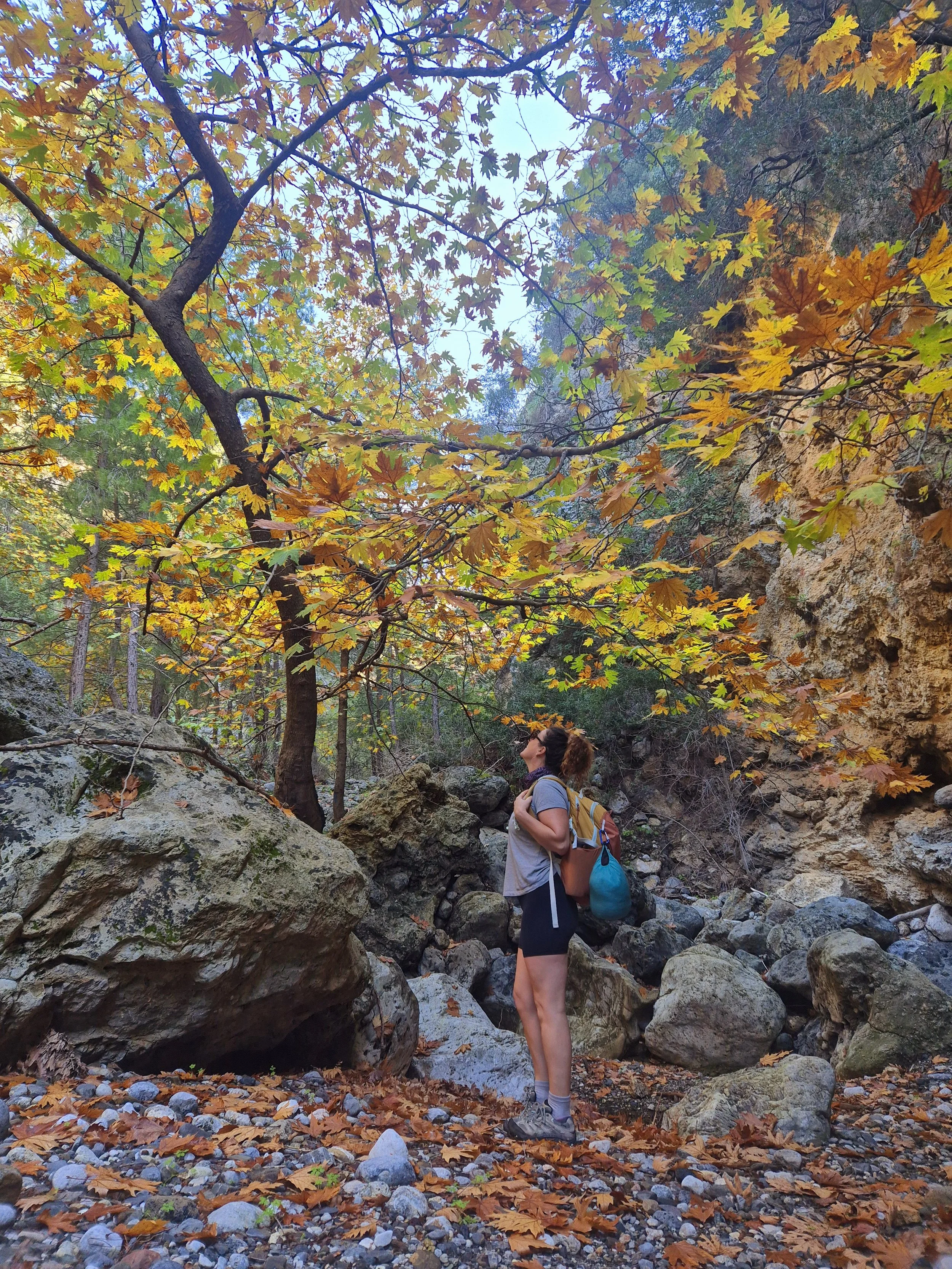
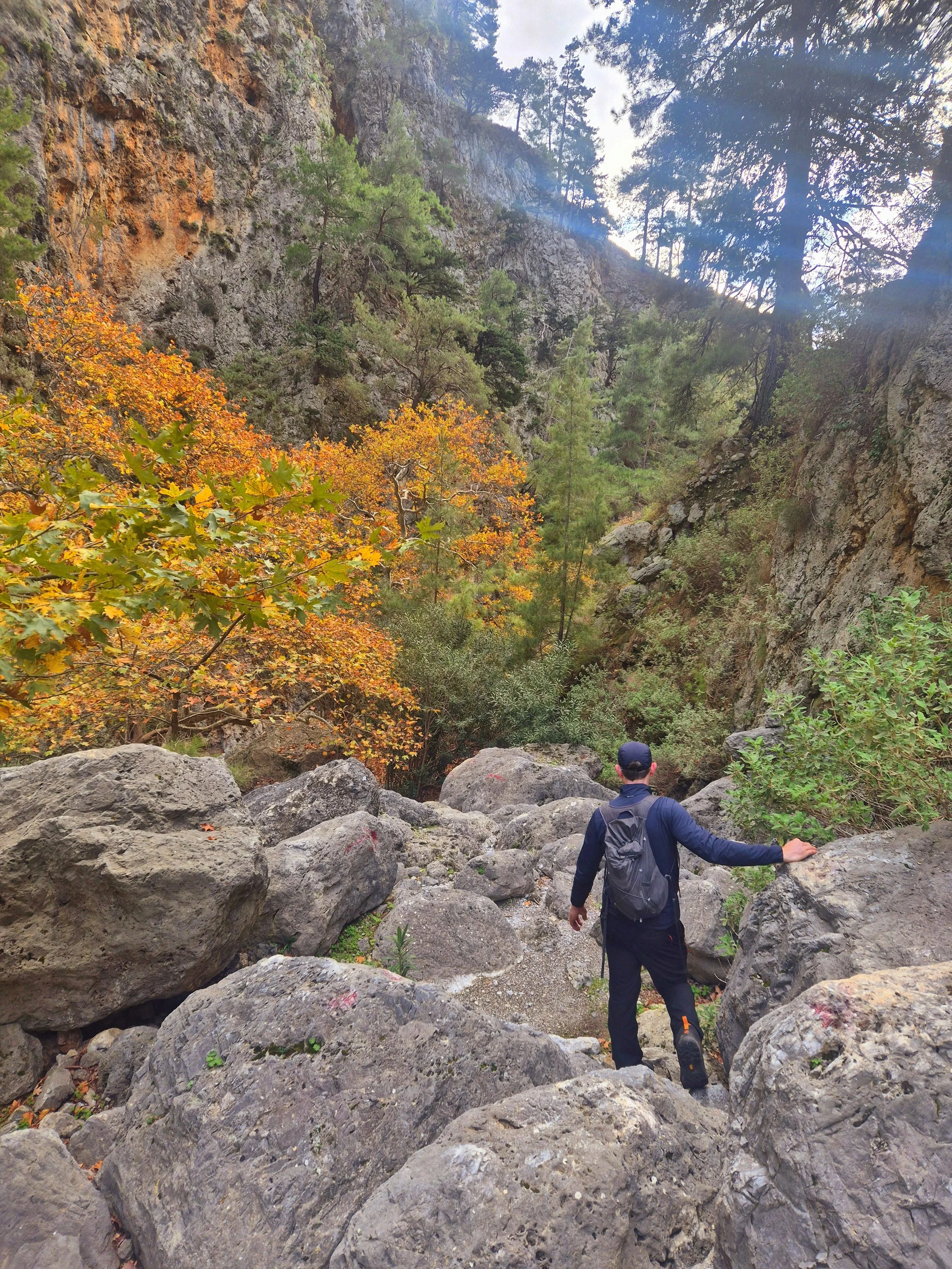
Winter is olive harvest season, so at the bottom you’ll pass farmers collecting olives, and it’s easy to side-step their activity respectfully. The hike itself is varied and rewarding, scrambling over large boulders, winding past maple trees in their autumn glow, and through pine forests that scent the crisp winter air. After the hike, cool down with a refreshing dip in the seaside village of Sougia, a perfect reward for tired legs. There are toliets as well as few water points along the route, but don’t rely on them, bring your own supply to stay comfortable and hydrated.
Day 5: Travel Day West → East
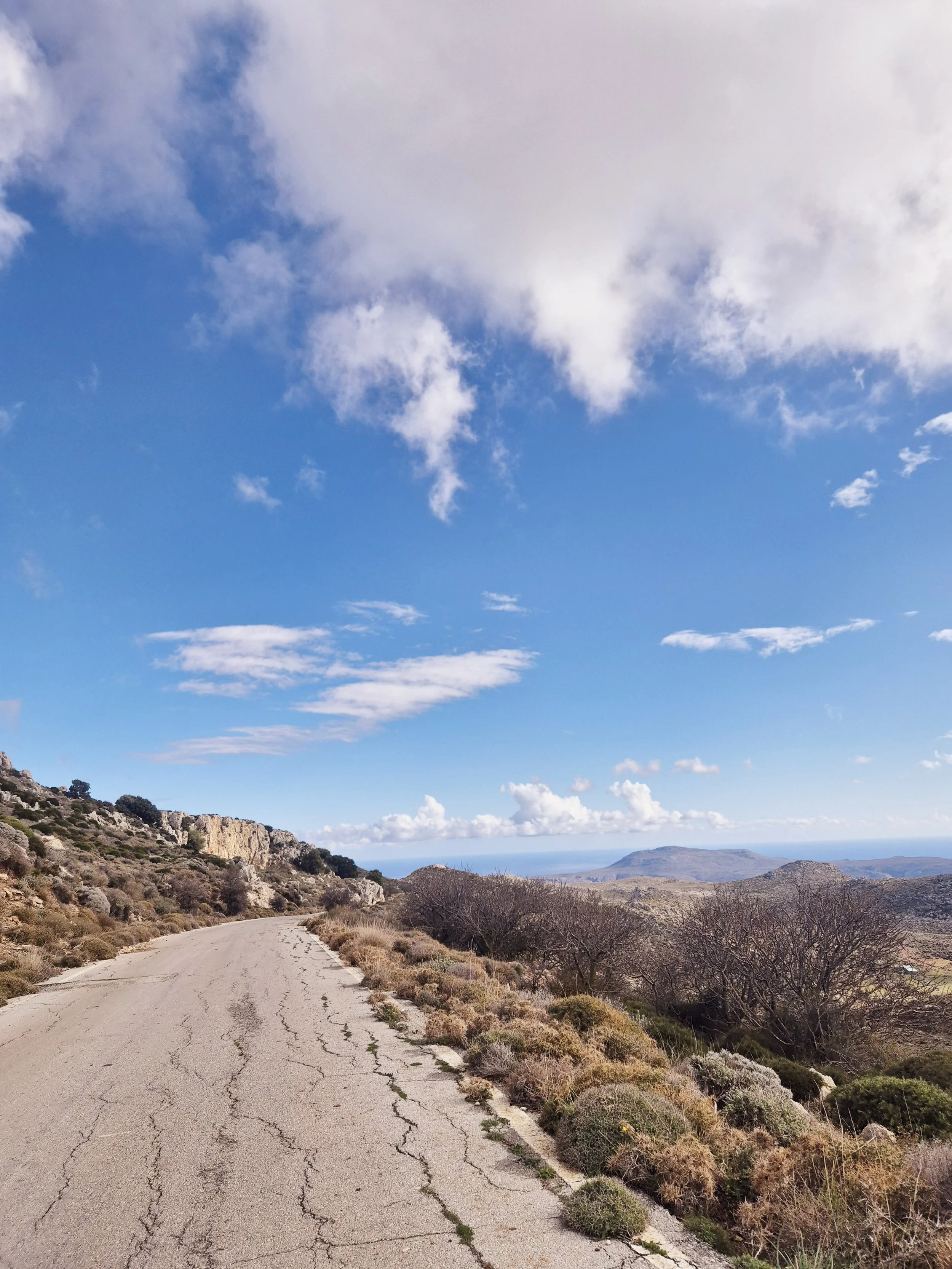
Crete is a large island, stretching around 260 km from west to east, so what might look like a short distance on a map can take several hours to drive. For us, the journey from Kissamos to Lasithi took about 4.5 hours, but it’s easy, and much more enjoyable, to break it up with stops along the way.
Why not discover Margarites, a traditional pottery village where craftsmanship shines, especially Aurelia Keramik. For a seaside lunch, Rethymno offers gems like organic restaurant and wine bar Prima Plora, perfect for fresh local food, and veggies can rejoice at their vegan sushi!
If you want a dash of history and glamour, follow in the iconic footsteps of Jackie Onassis with a stop in the small fishing town of Elounda, a peaceful coastal spot perfect for stretching your legs and soaking in the Aegean views before heading further east.
Day 6: Climbing Day – Gorge of the Red Butterflies
On Crete’s southeast coast, the Red Butterfly Gorge (officially called Orino Gorge) is a playground for adventurous hikers. We started at sea level in Koutsouras, just a 10-minute drive from our base in Makris Gialos, and tackled the 14 km round-trip to the Orino Waterfall, which took around 5 hours at a steady pace.
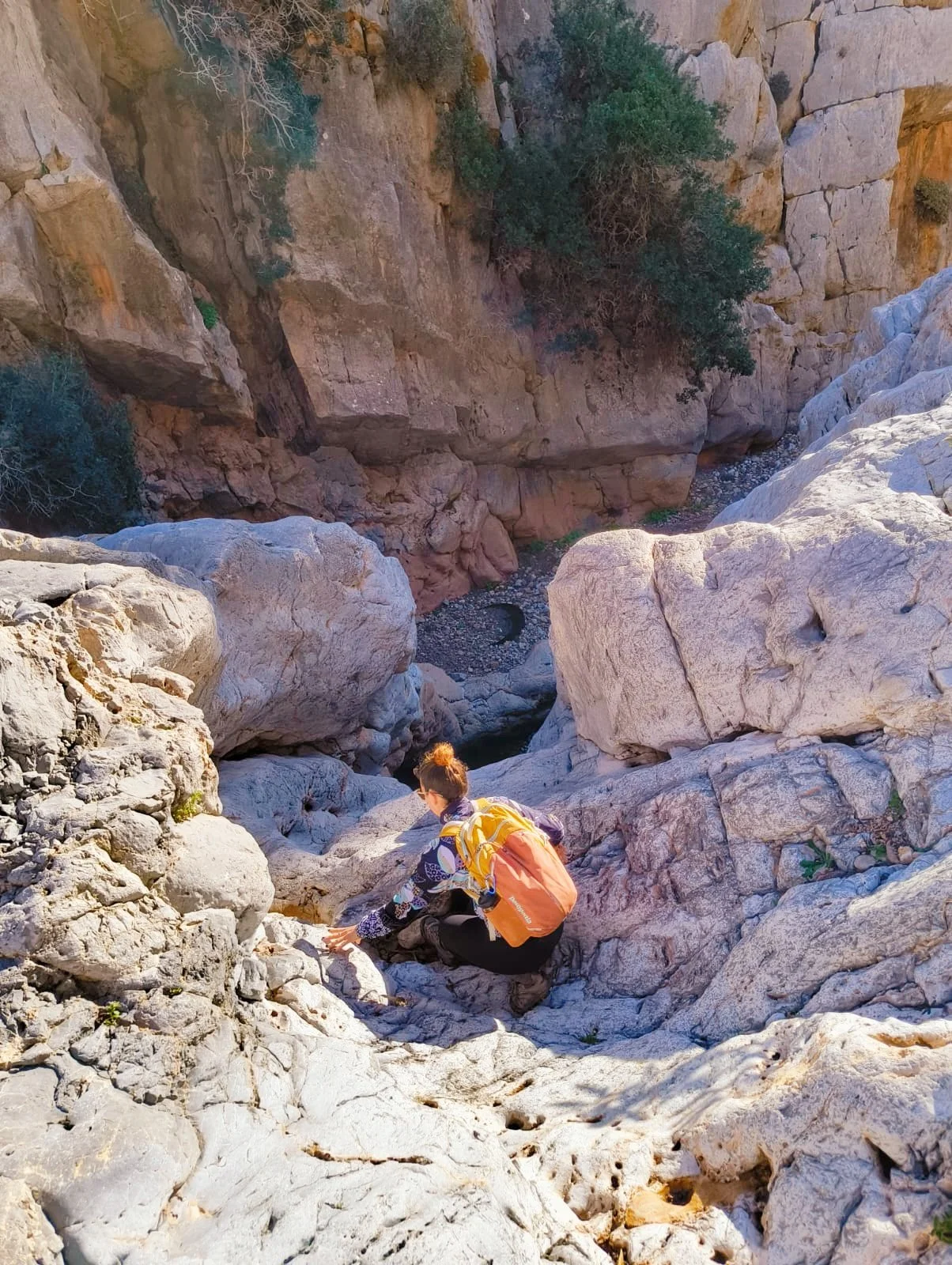
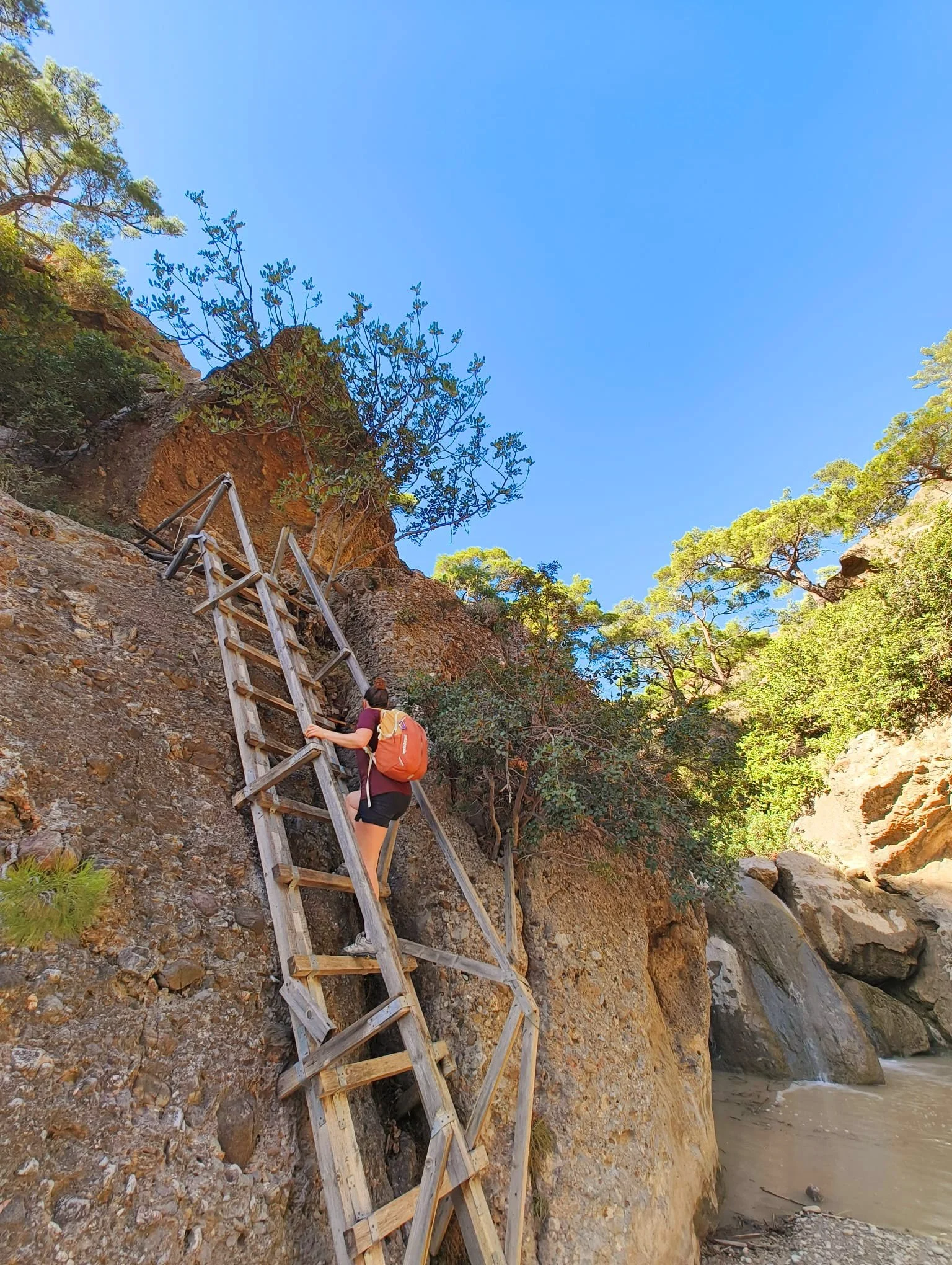
This is a challenging, difficult hike, not for the faint-hearted. You’ll climb giant ladders, scramble over boulders larger than life, cross the river multiple times, and navigate narrow ledges high above dizzying drops. But every step is rewarded! The gorge is lush and alive, with butterflies and dragonflies, olive and orange groves, bamboo forests, and carpets of wood sorrel dotted with cheerful yellow blooms. Along the way, two tiny white churches sit in striking contrast against the burnt-orange cliffs.
After a full day of climbing and exploring, wind down with a beer at the bohemian seaside Helios Café, or cool off with a dip at Limanaki Beach, letting the turquoise water soothe your tired legs.
Day 7: Gorge of the Dead
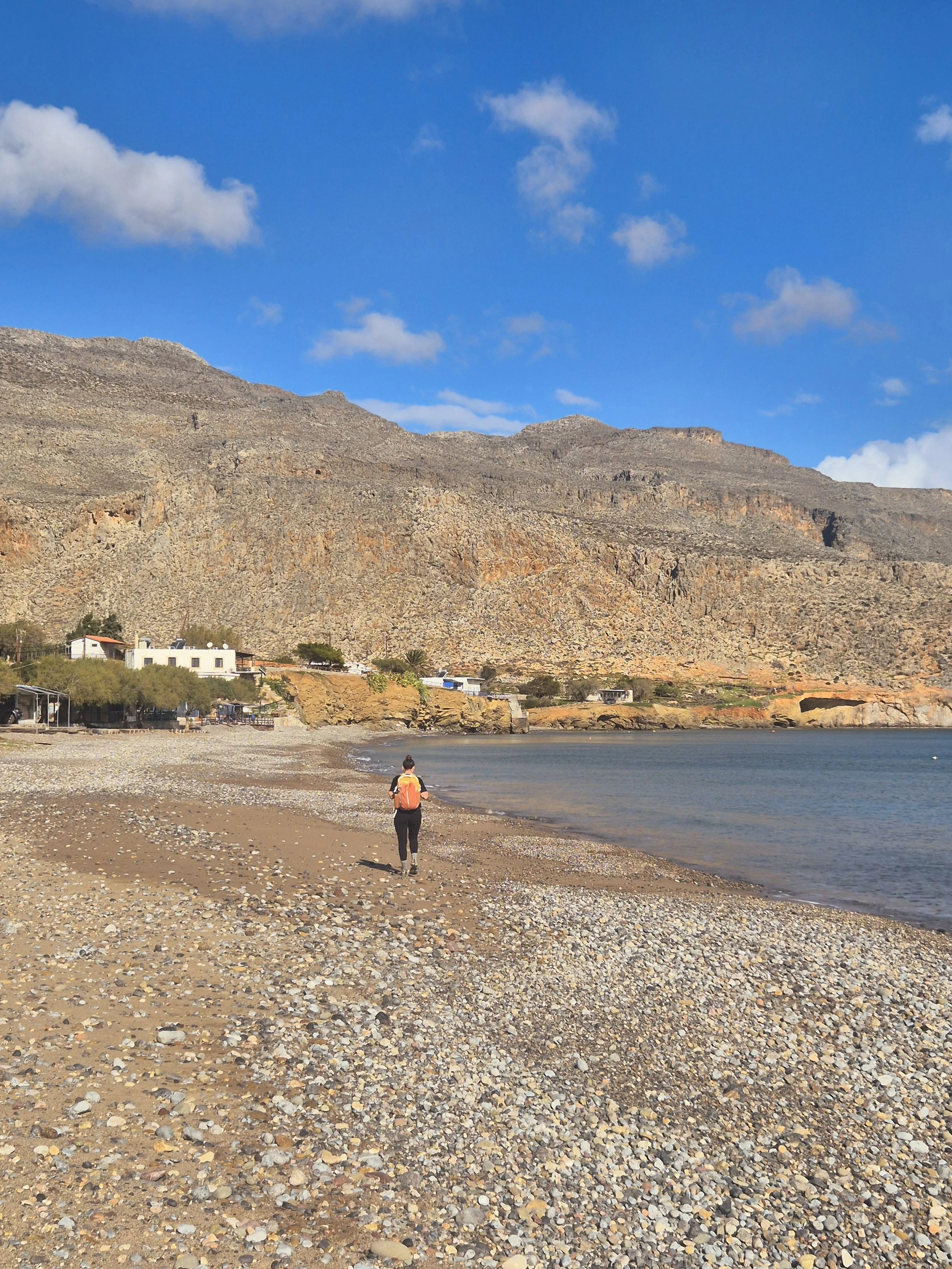
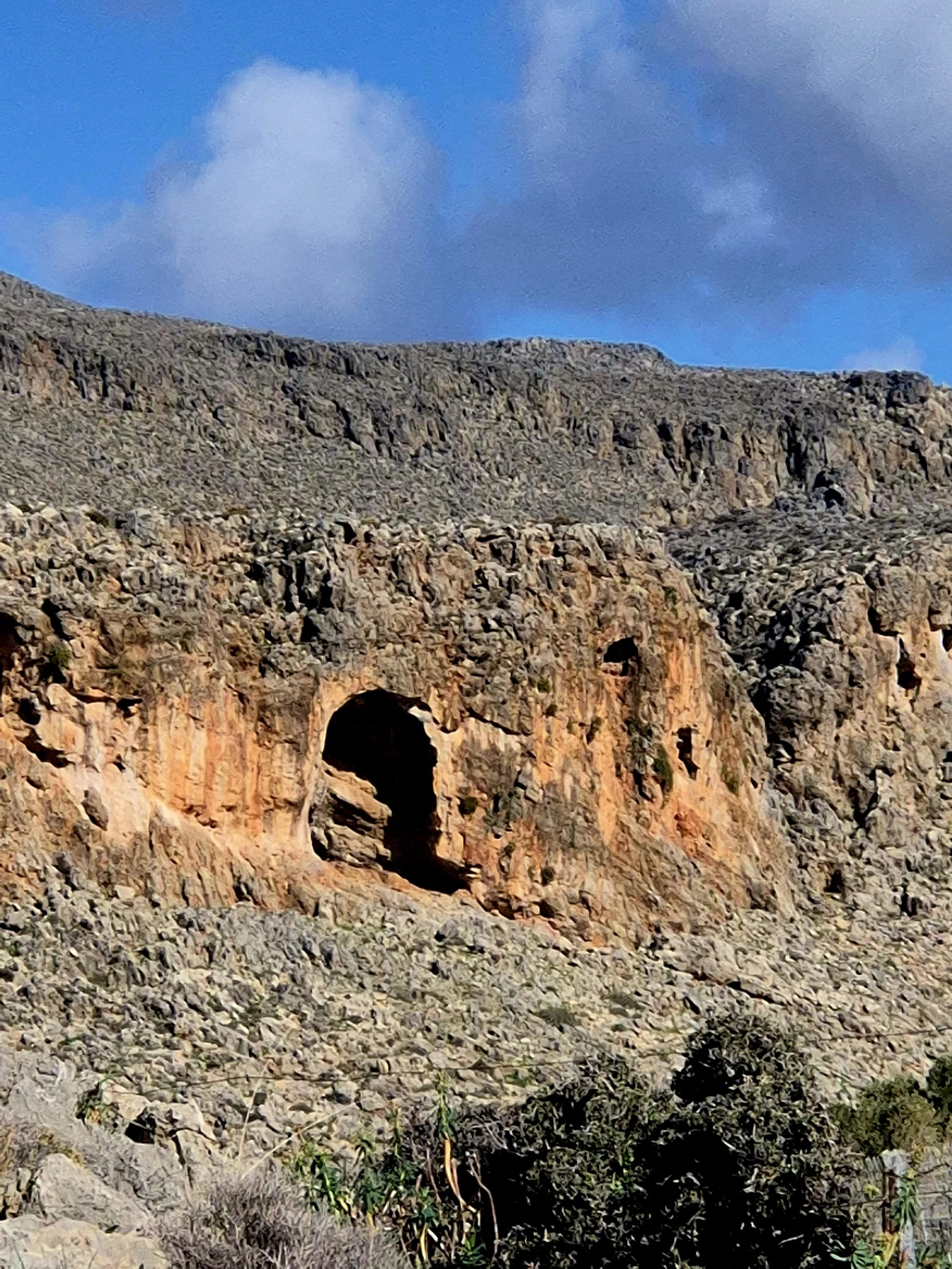
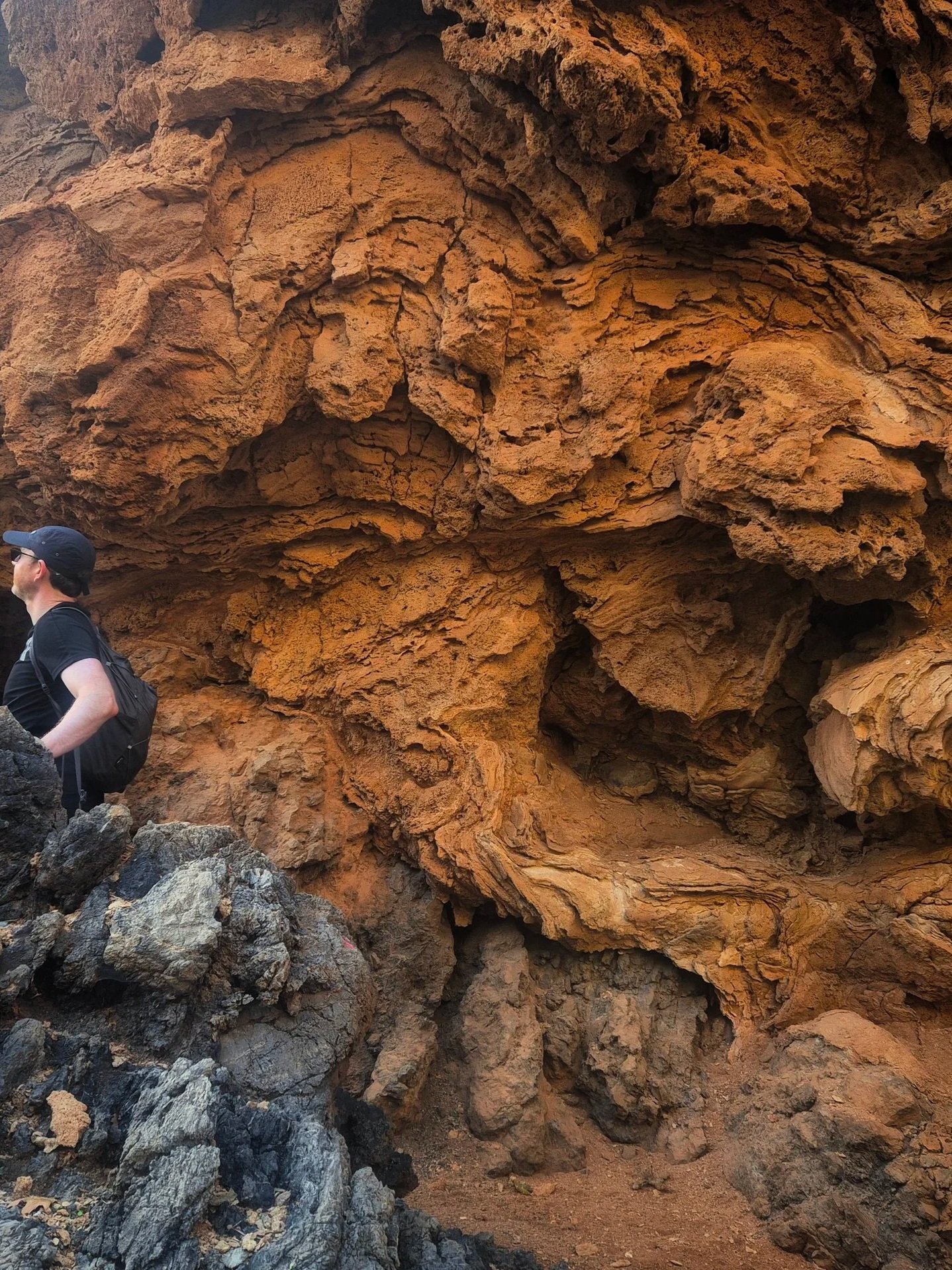
A one-hour, breathtaking drive over the Zakros mountains brought us to the beautiful Kato Zakros Beach, the start and end point for a memorable hike in the Sitri Geopark. The Gorge of the Dead (offically, Zakros Gorge) in eastern Crete is a scenic, moderate loop, part of the E4 European trail, and famous for the Minoan tombs carved into caves along its walls, which give the gorge its eerie name. The loop is 11km and takes around 3 to 4 hours to complete.
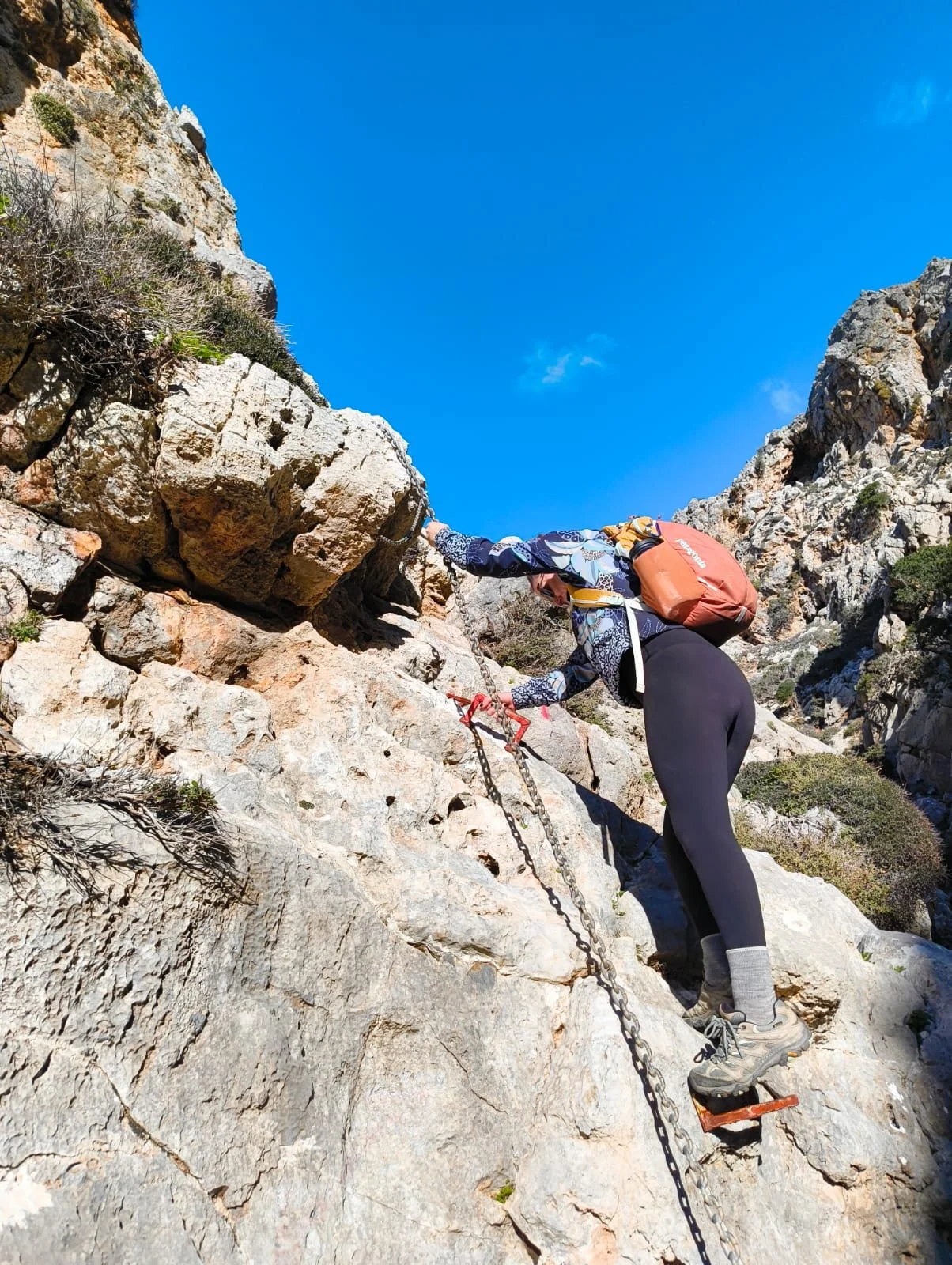
The hike winds through dramatic geology, lush flora offering constant surprises at every turn - like climbing down giant bolders with only the help of a chain and a couple of metal steps bolted to the rock face! By the end, the trail opens onto the quiet beach, perfect for a refreshing dip, followed by a cold beer at one of the seaside tavernas.